
USA, decaffeinated coffee with solvent: more and more food derived
Decaffeinated alarm in the States: often treated with chloroform, a carcinogen. Petitions for a stop, but the problem is the entire food system.

Decaffeinated alarm in the States: often treated with chloroform, a carcinogen. Petitions for a stop, but the problem is the entire food system.

Research from Queen Mary University confirms: prolonged fasting changes the body's energy sources in 3 days, with sustained fat mass loss and benefits beyond weight loss.
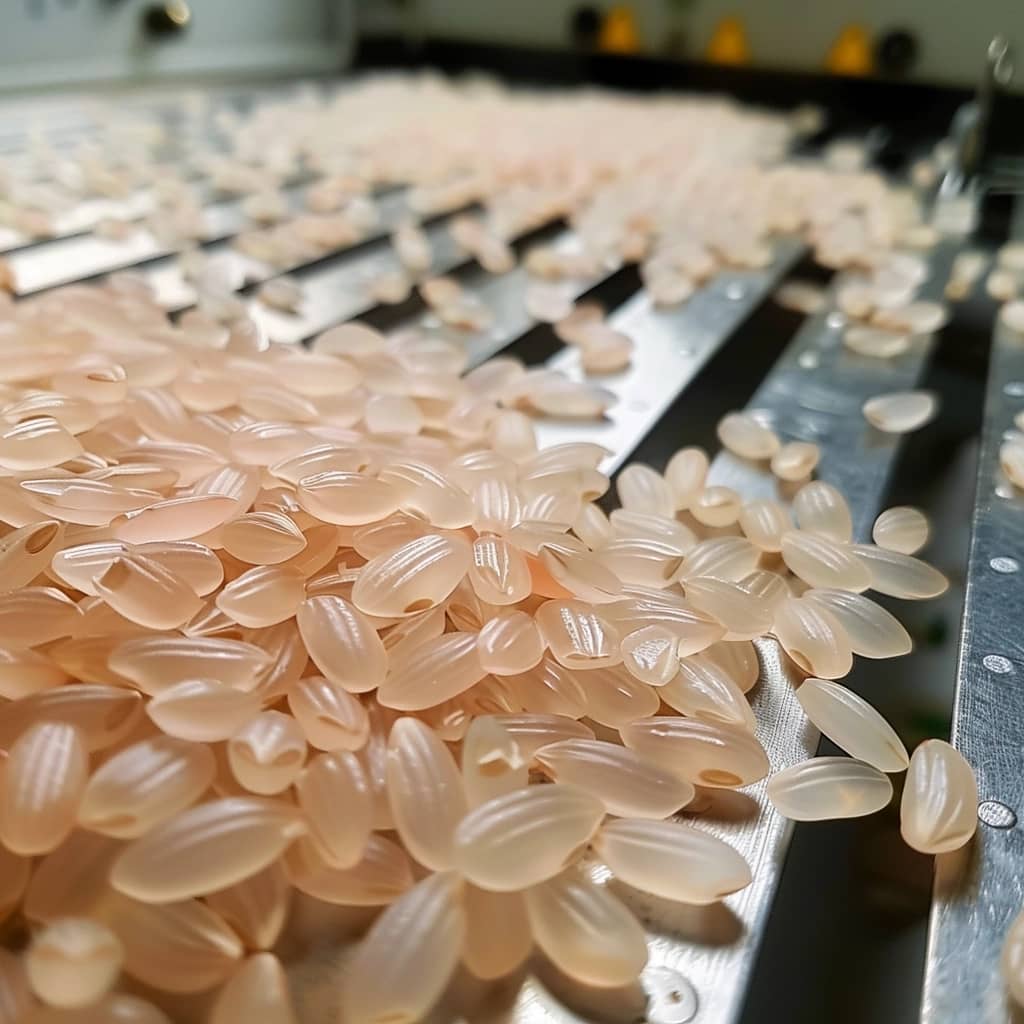
Korean scientists develop hybrid rice with beef cells, increasing its protein content by 8% without raising costs.
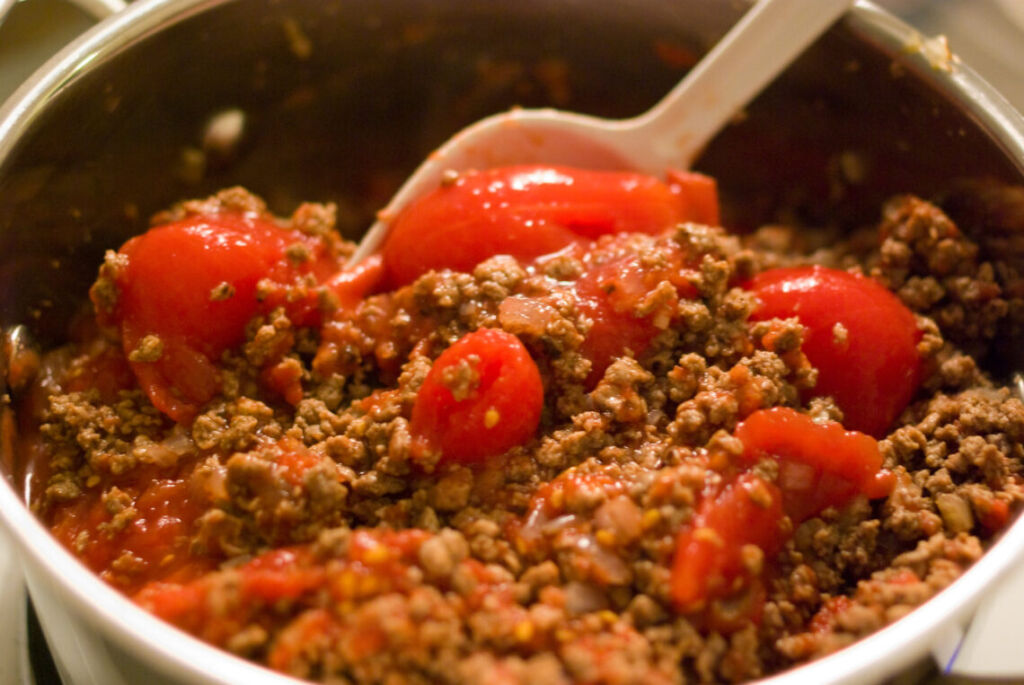
Mycoproteins emerge as a promising alternative to red meat: new studies show improvements for the heart and reduction of cholesterol in just 14 days.

Let's explore how climate change innovations could transform our breakfast by 2050.
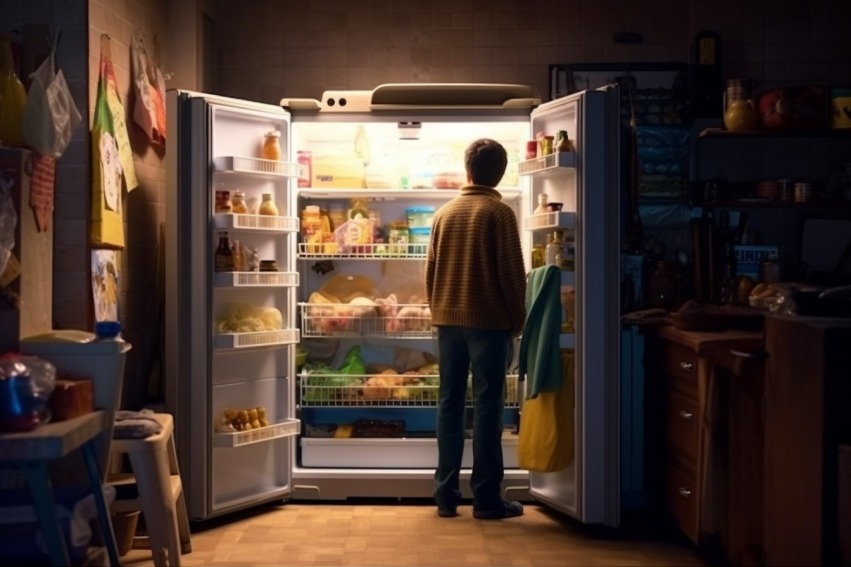
What are the "food swamps" related to our urbanization, and why they can lead to increased rates of obesity and cancer.
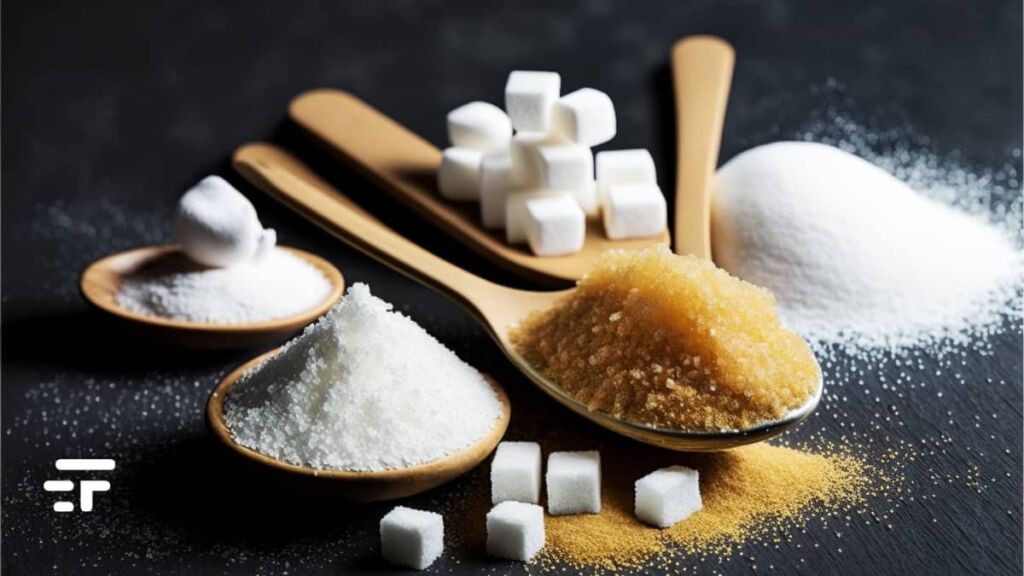
Sugars that don't just hurt, but are even good for you? An impossible feat, or so it seemed. Listen here.
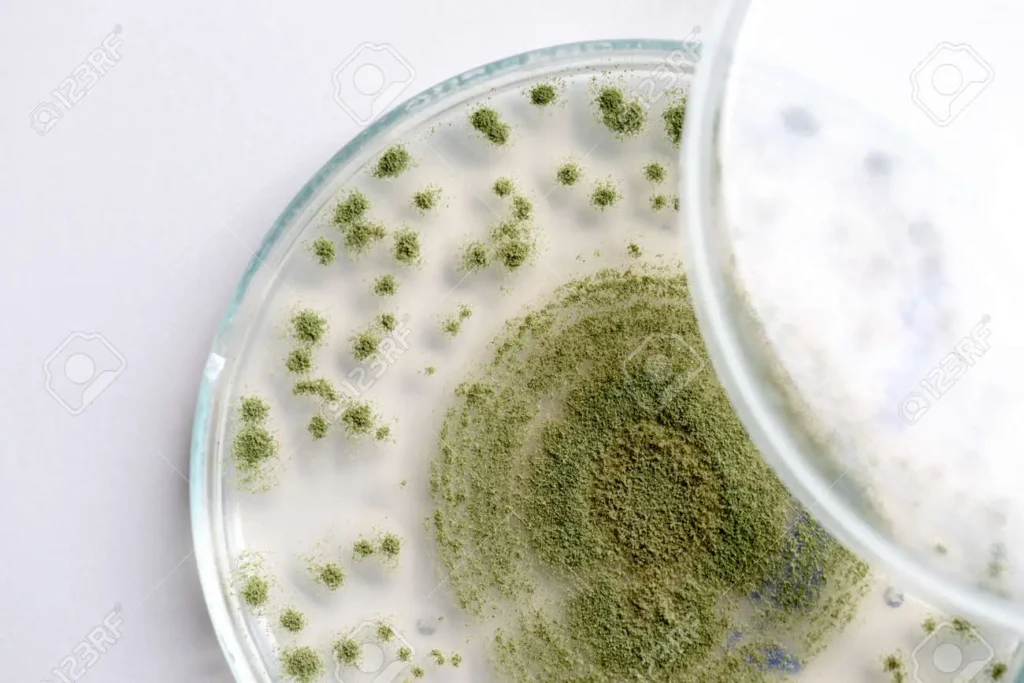
Precision fermentation can initiate an unimaginable transformation of our food systems, and ignite a virtuous cycle that would literally save the planet.

A new method allows to obtain nanosensors that in a few minutes detect pesticides in fruit: a bang for food safety
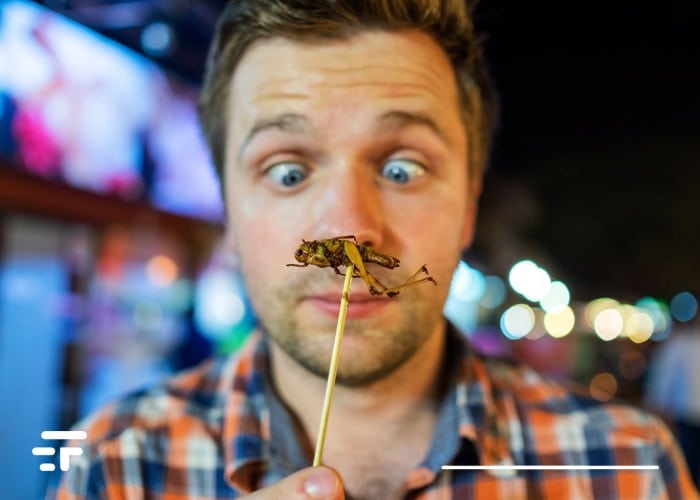
Cultivated meat, insects and other non-animal alternatives (in practice the so-called "new foods") would be good for the planet.
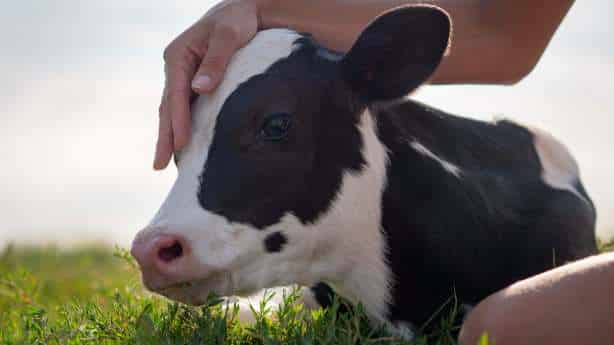
More and more people are no longer eating foods of animal origin. And meat alternatives start eroding factory farms.
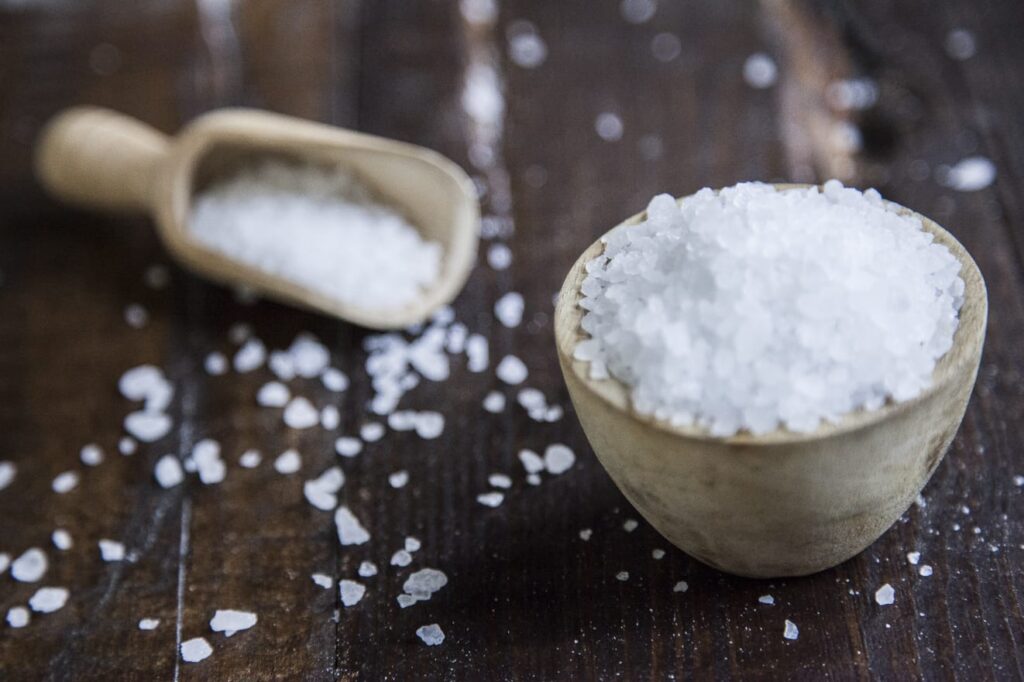
A small change with enormous consequences: the largest study of its kind in the world says it loud and clear, replacing salt saves the lives of millions of humans.
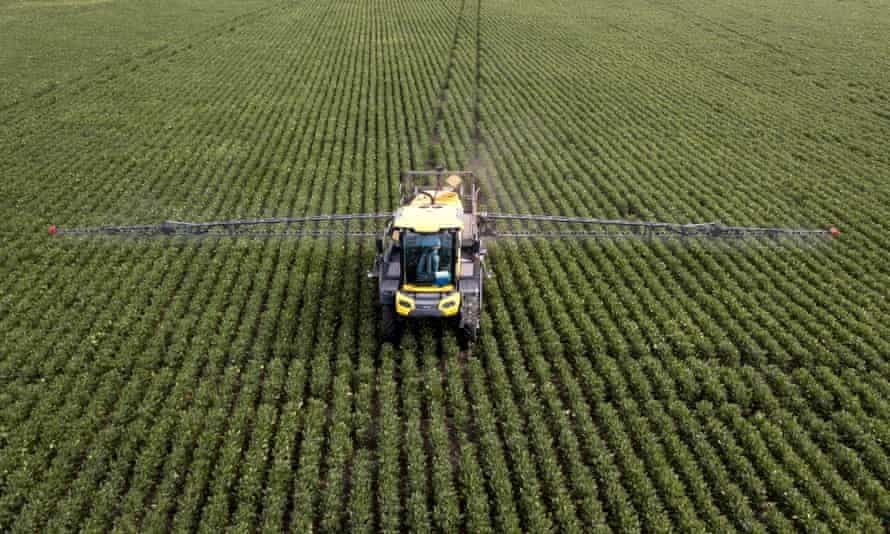
Getting food from solar panels and microbes? An interesting perspective, which according to a study has incredible efficiency.
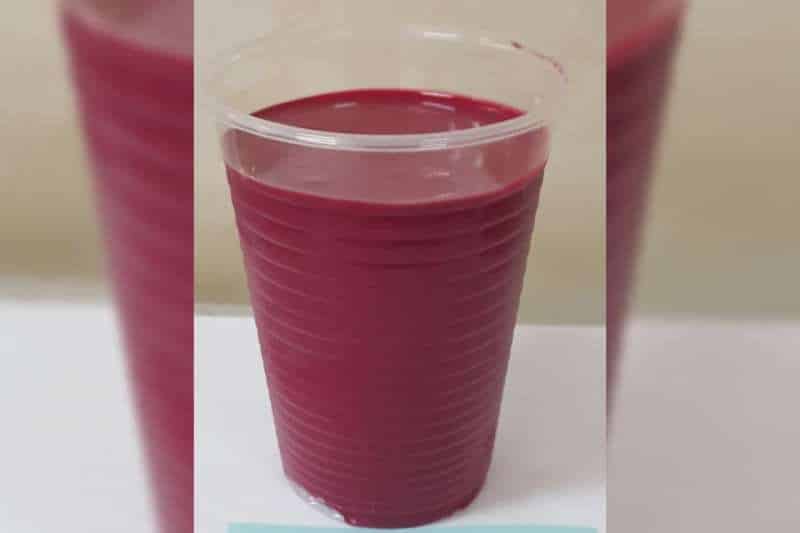
The fight against disease involves the enhancement of nutrition. A team develops two functional foods against anemia.
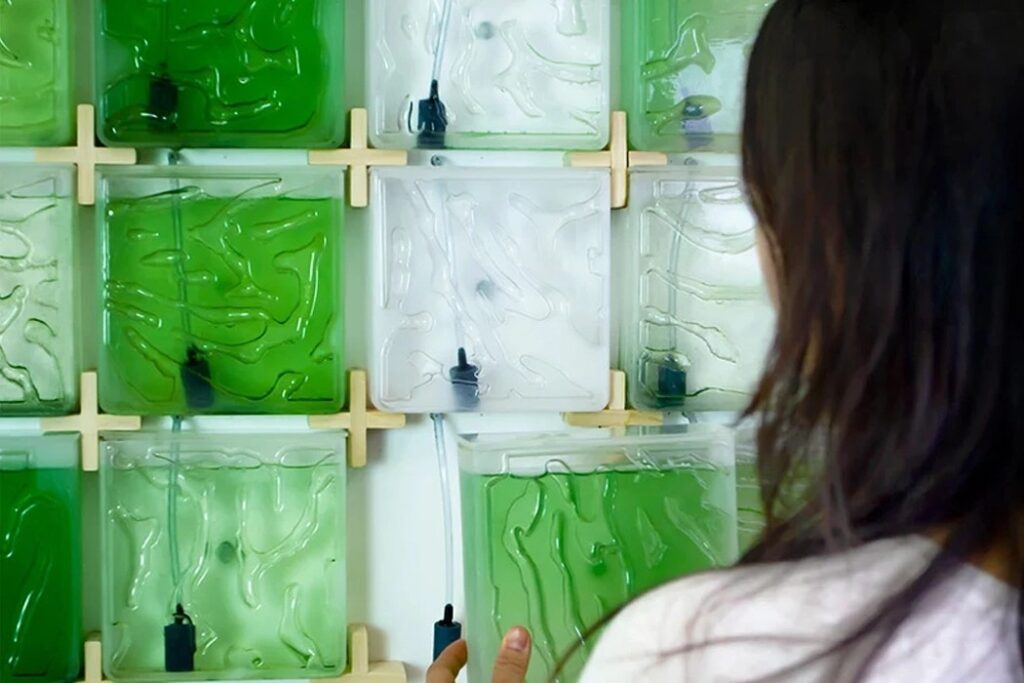
Algae are a vertically growing superfood, they offer oxygen and nutrition: The Coral is a natural and elegant way to integrate them into our home and our diet.

We can only feed 3,4 billion people sustainably. We could exceed 10, but we need to change the food system. Now.
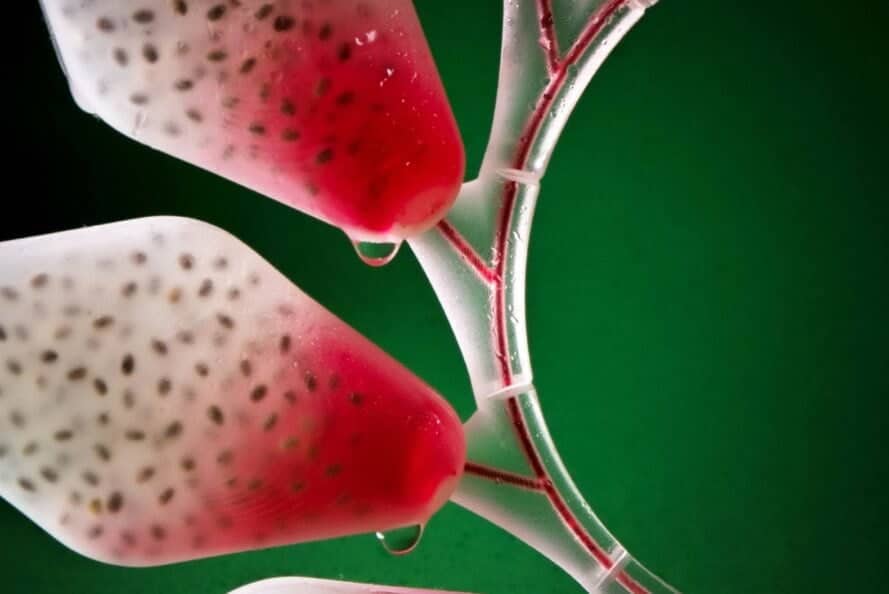
In recent years, research has focused on new foods and ways of obtaining them. Neo Fruits is a project between design and biology that aims at the fruit of the future
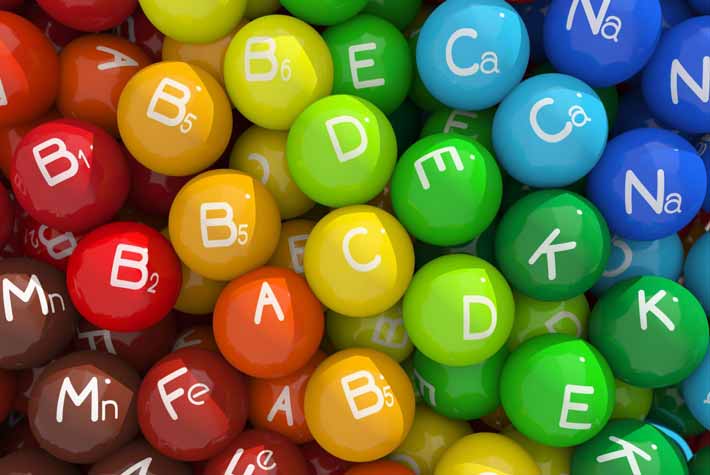
A team managed to encapsulate 11 micronutrients in a tiny polymer that does not alter the flavor of the food. The challenge against malnutrition is launched.
Bittersweet news for vegetarians, vegans and pescetarians: UK research shows that their diet has less risk of coronary heart disease. But there is more.

Alberto Robiati and Gianluca Riccio guide readers through scenarios of the future: the opportunities, risks and possibilities we have to create a possible tomorrow.
News about the world of tomorrow.
We give news about the future of technology, science and society: if there is one thing that is about to arrive, it has already arrived here.
Category
Language editions
© 2024 Near future -  This work is distributed under license Creative Commons Attribution 4.0 International.