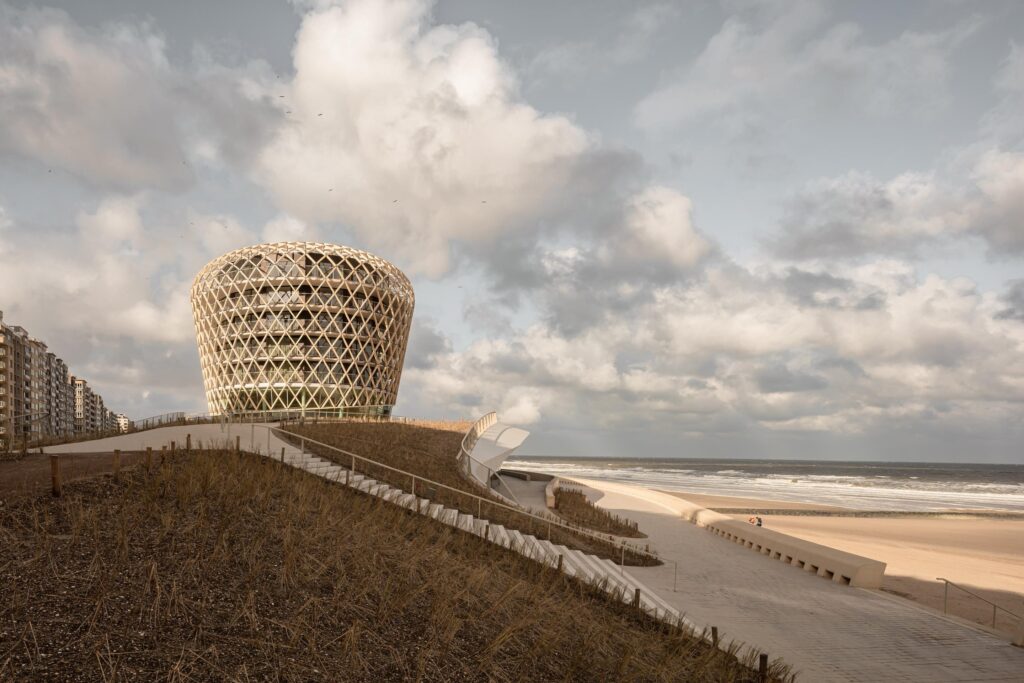
Silt: the Belgian tower that defies storms by disguising itself as an artificial dune
In Middelkerke, Belgium, a hi-tech dune hides Silt, a tower designed to resist the storm surges of the future. An example of resilient architecture.

In Middelkerke, Belgium, a hi-tech dune hides Silt, a tower designed to resist the storm surges of the future. An example of resilient architecture.
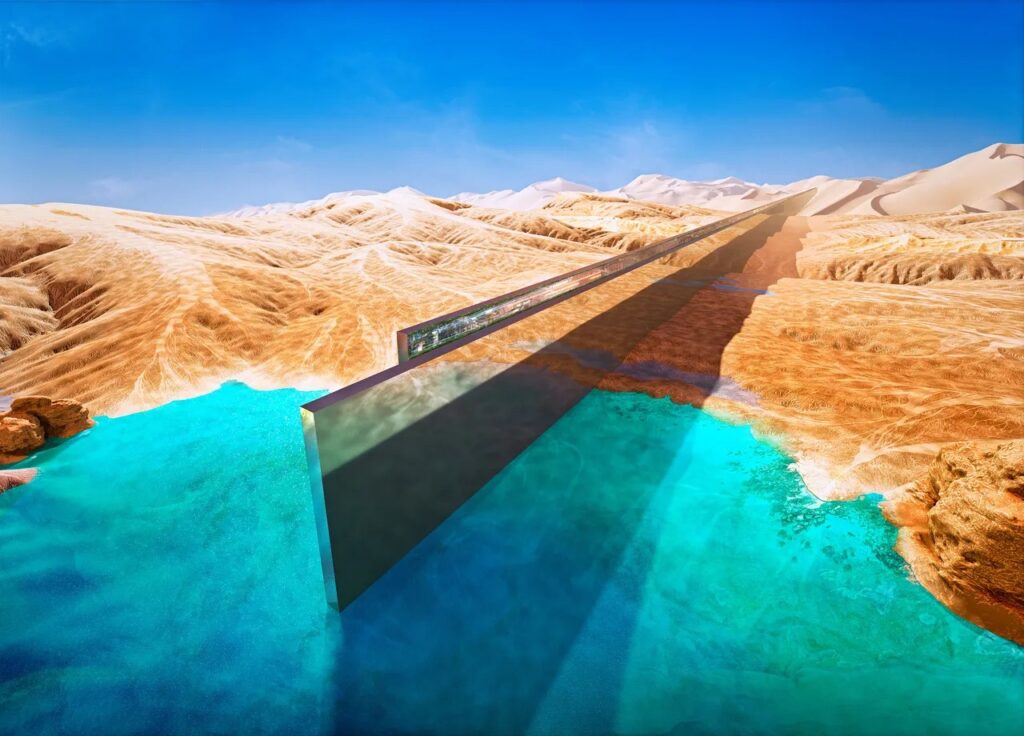
The Saudi mega-city will be home to fewer than 300.000 residents by 2030, versus the original target of 1,5 million. Scaling in progress?

Shocking research: metropolises are growing like tumors. Same principle of vascularization. We need a new approach to urban planning, starting from medicine.
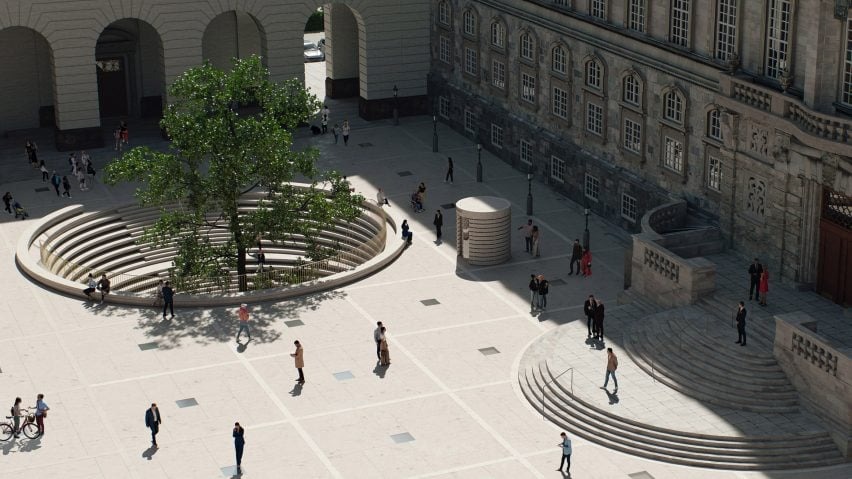
The renovation of the Danish Parliament, the largest building project overall for 100 years, is much more than an architectural exercise.
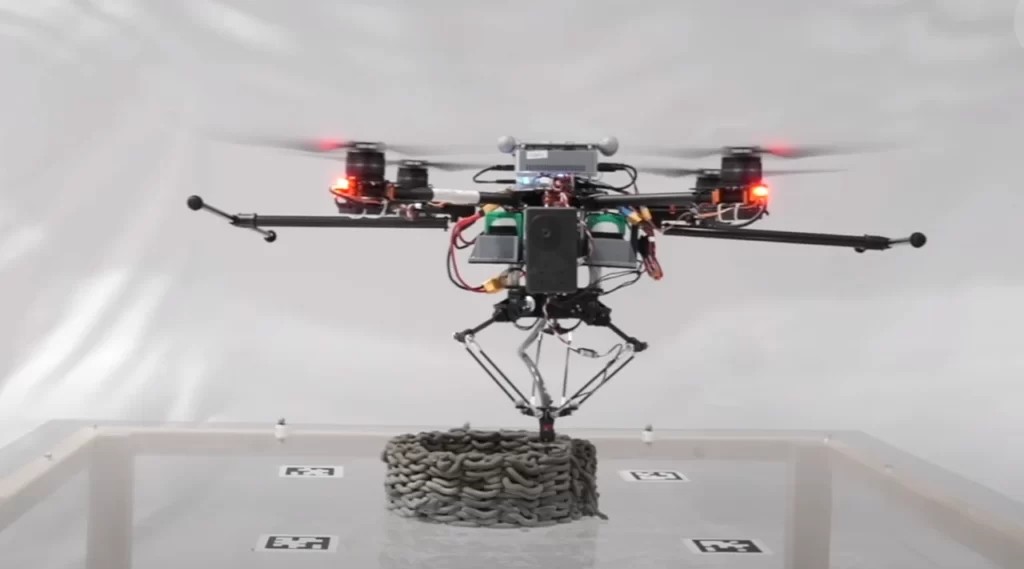
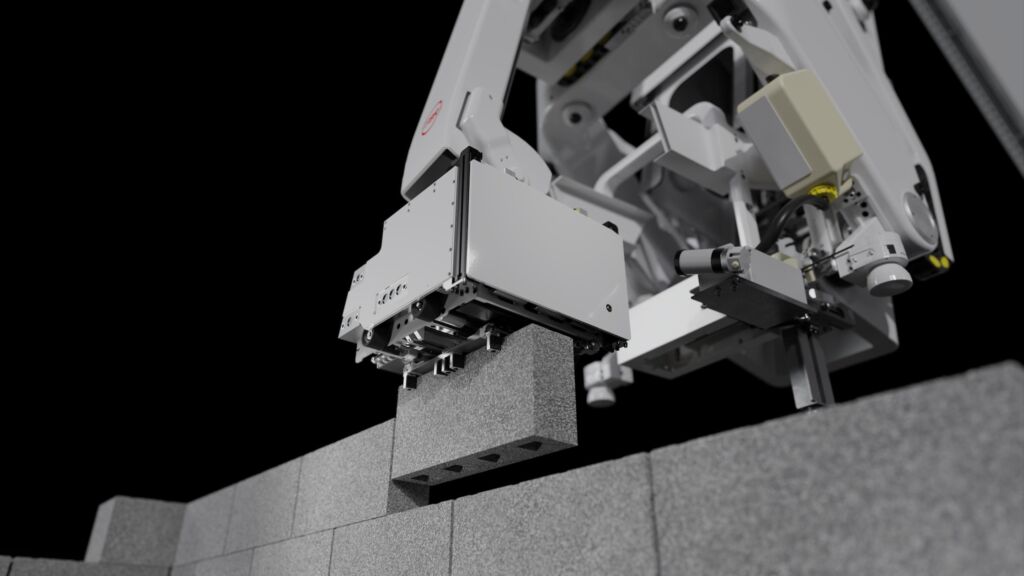
Drone technology that 3D prints in flight, inspired by the collaboration of insects, promises to build in previously inaccessible areas.
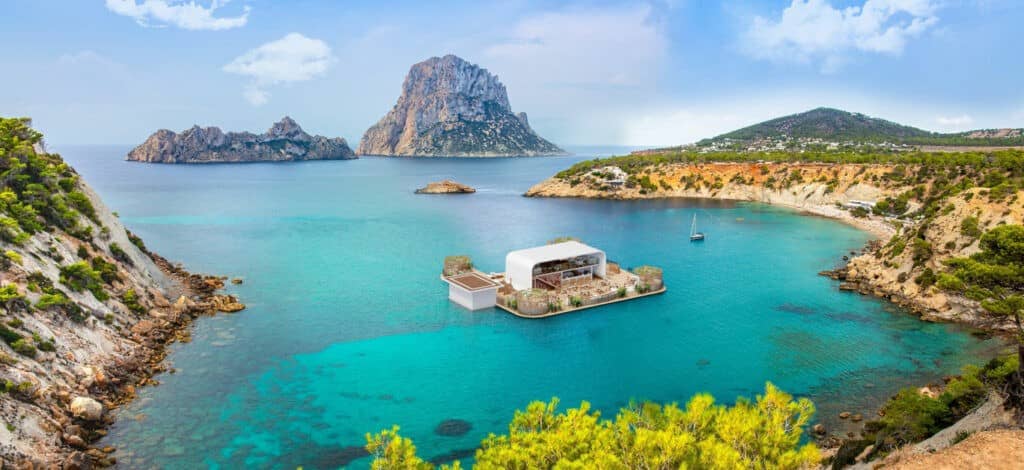
Oceaya it is the first transformable floating arena in the world for entertainment: it will offer dynamic and versatile experiences. Starting from 2025.
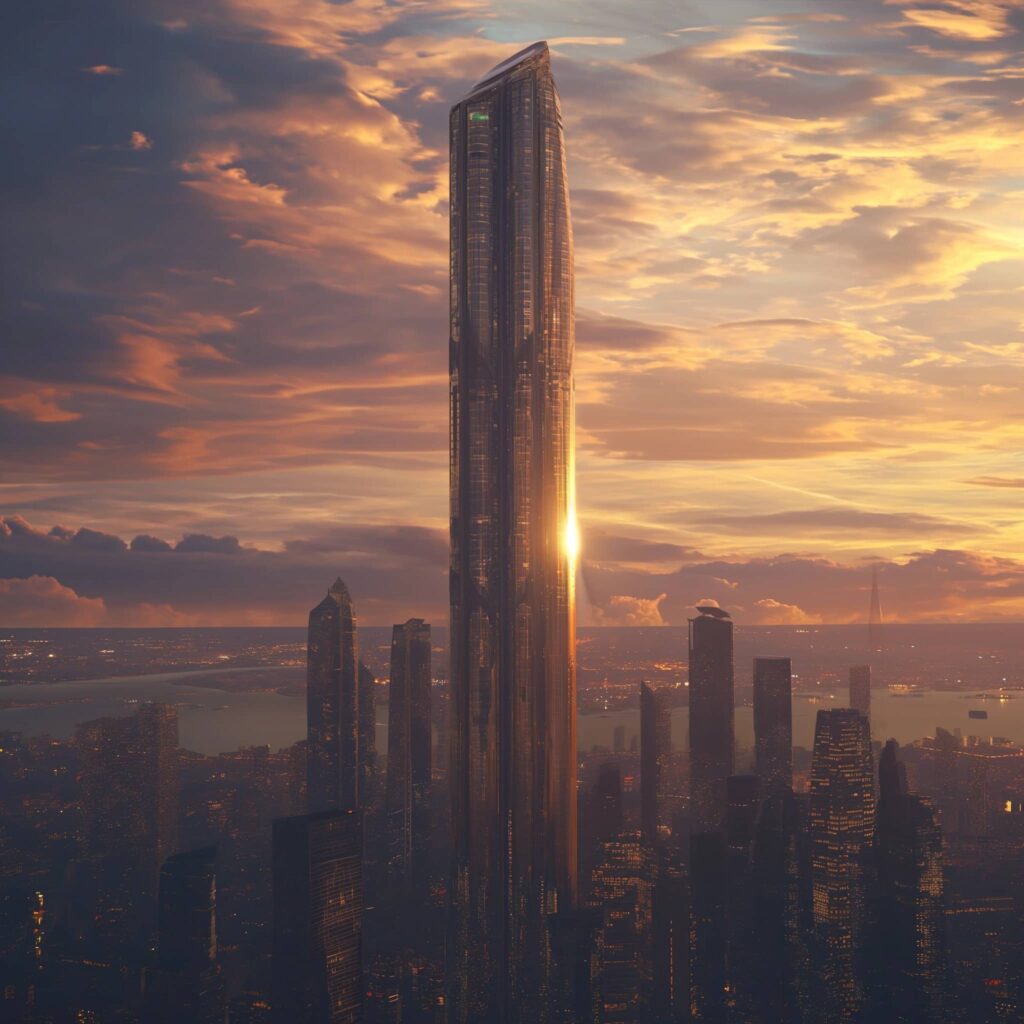
Saudi Arabia is planning yet another unprecedented architectural project: an incredible 2 km high skyscraper.
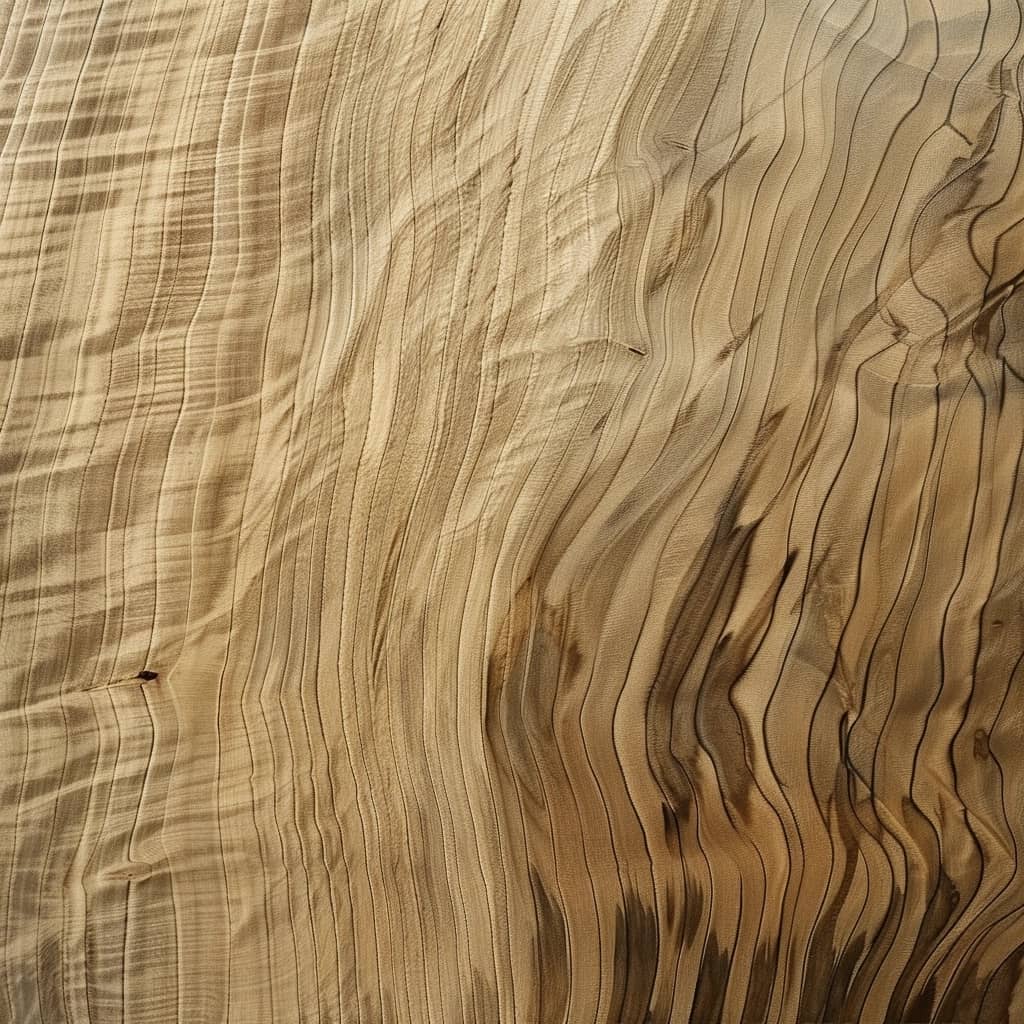
A coconut and lemon thermal battery that regulates the home climate: the last frontier of green building
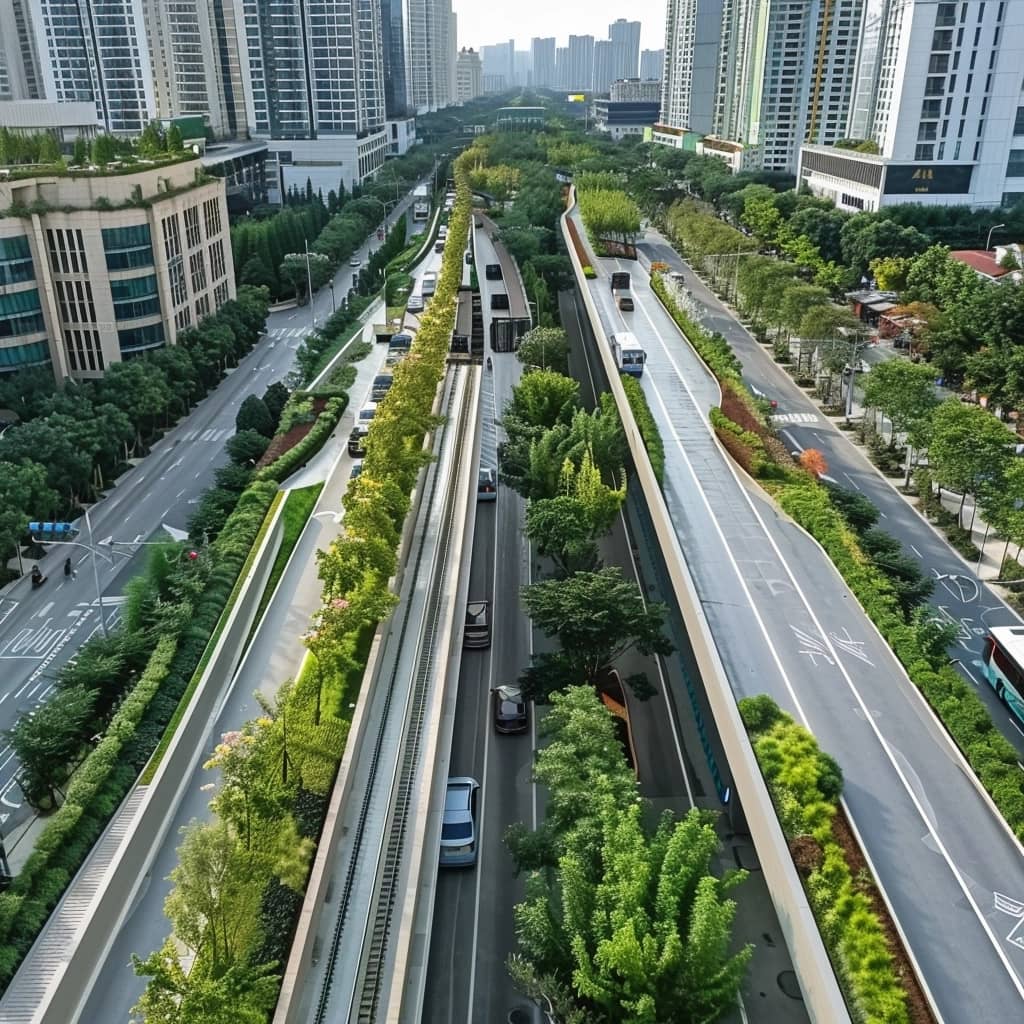
Depaving, an ecologist dream that becomes reality. Here are the cities that are focusing heavily on urban greenery against climate change
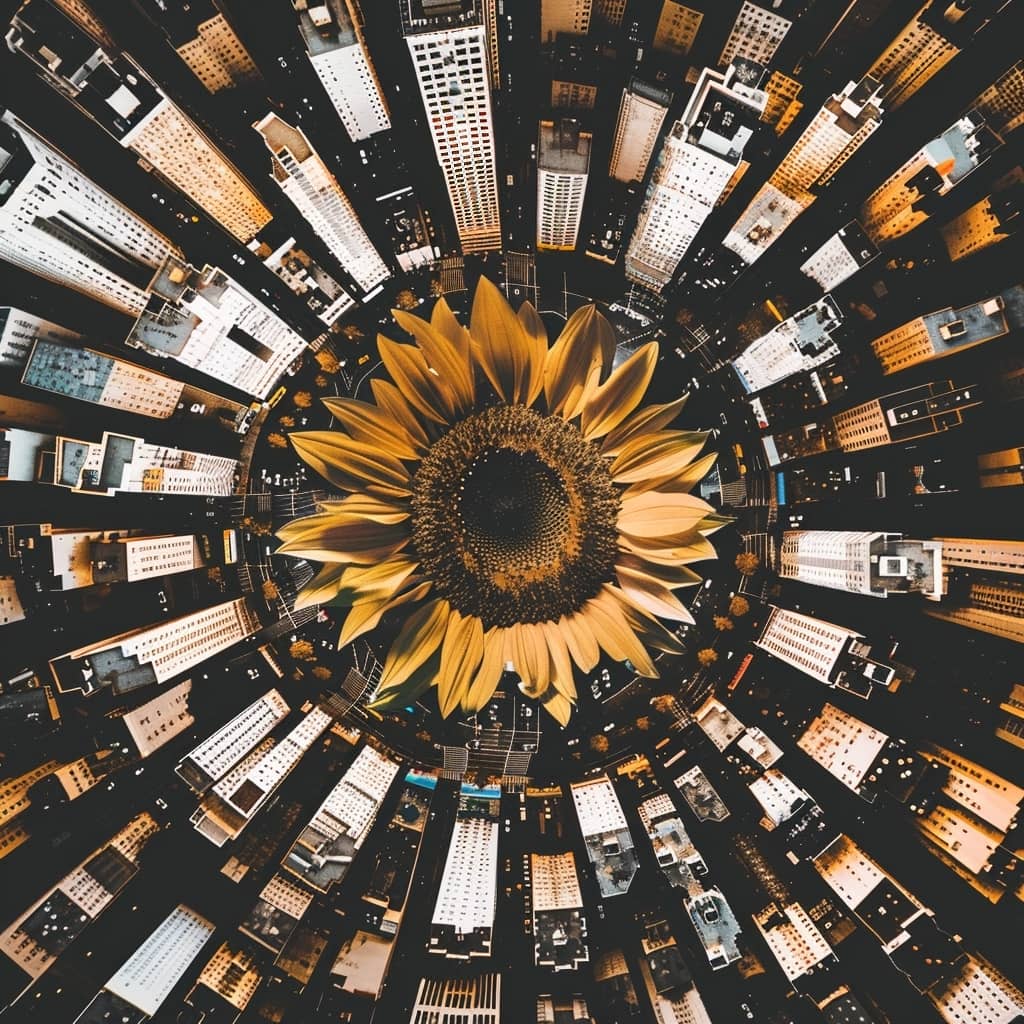
The 'sunflower city' resumes the distribution of seeds in the flower to ensure that the sun reaches all surfaces of the buildings.
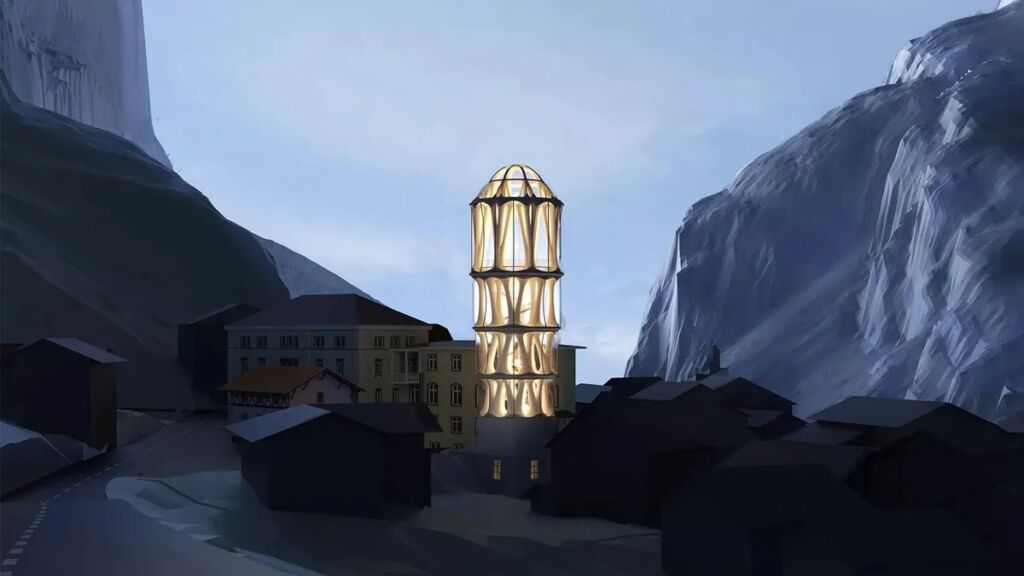
The construction of the Alva Tower begins, a pioneering project: a 30D printed building of over 3 meters that will overlook the Giulia Valley
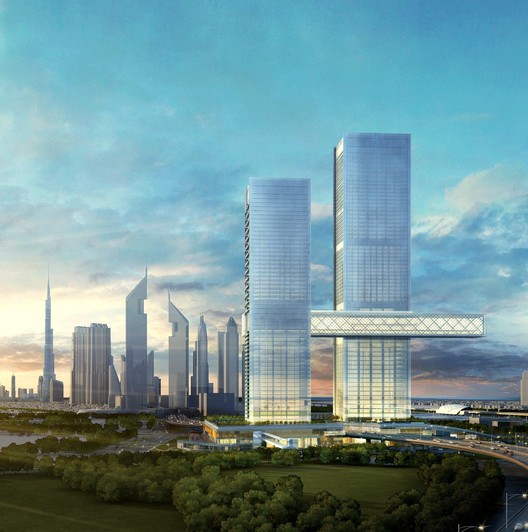
Dubai inaugurates One Za'abeel, a skyscraper that redefines the urban skyline with its bold "shelf" between two innovative structures.
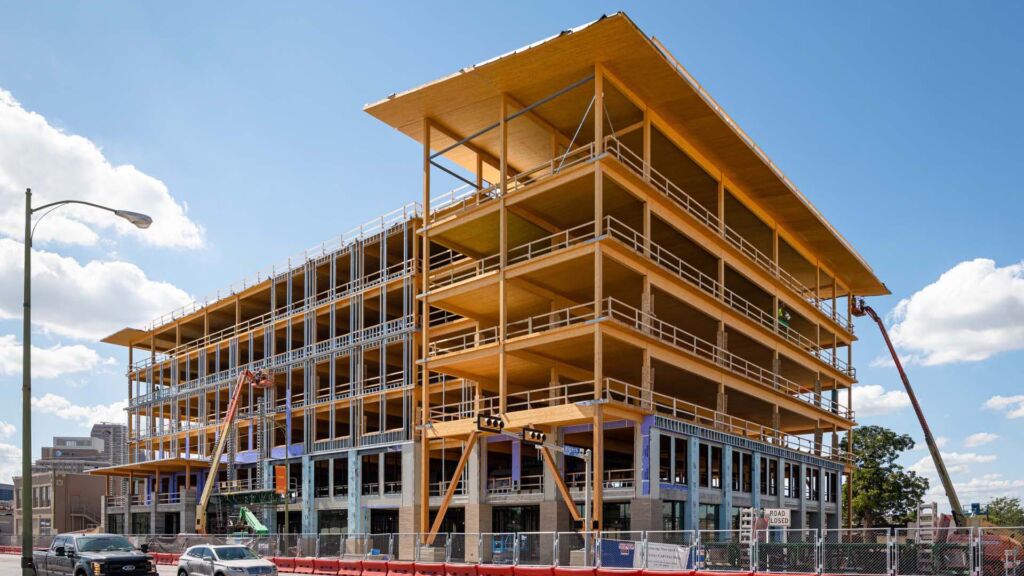
Solid wood promises taller, lighter buildings, resistant to earthquakes and fires. Its "comeback" can transform construction
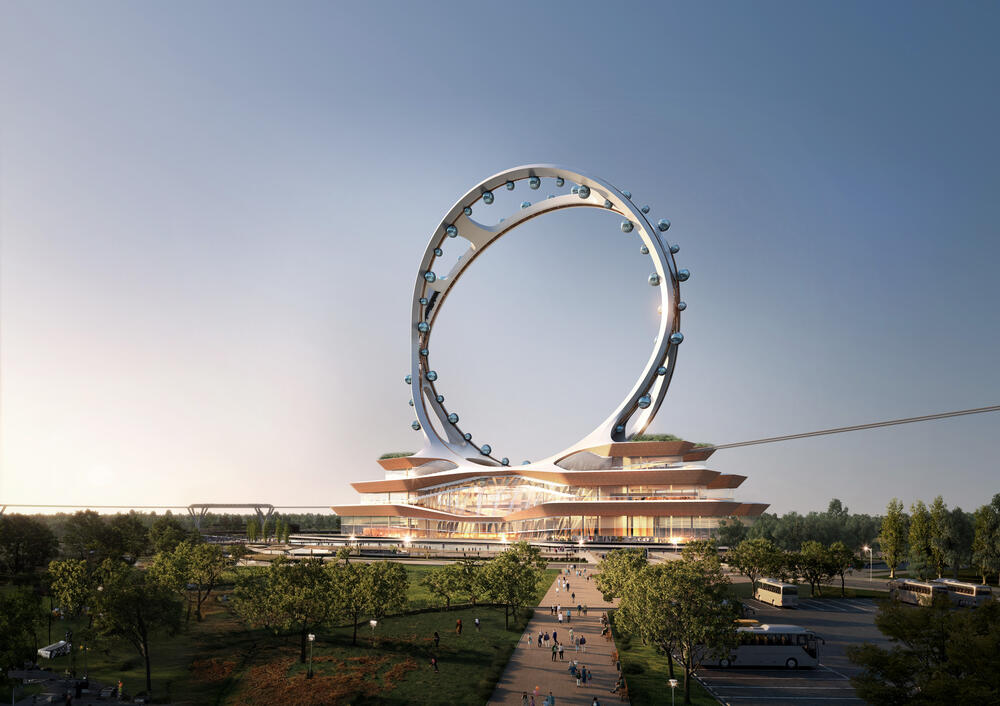
Seoul's new architectural masterpiece will be a 220m high Ferris wheel, with breathtaking views for 64 capsules.
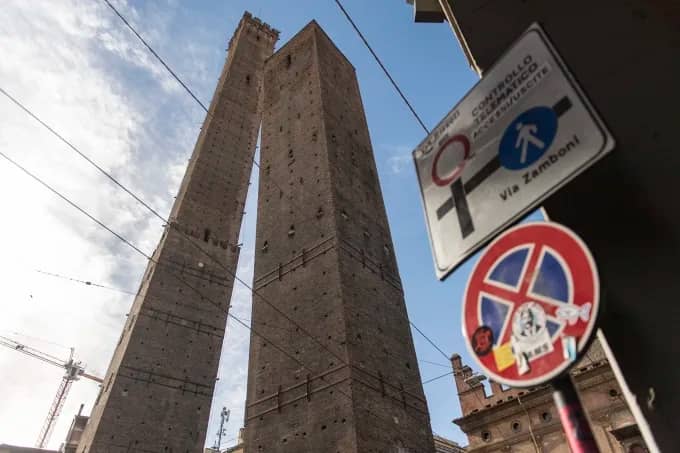
The famous leaning tower of the Garisenda could collapse at any moment: countermeasures are being prepared in Bologna.
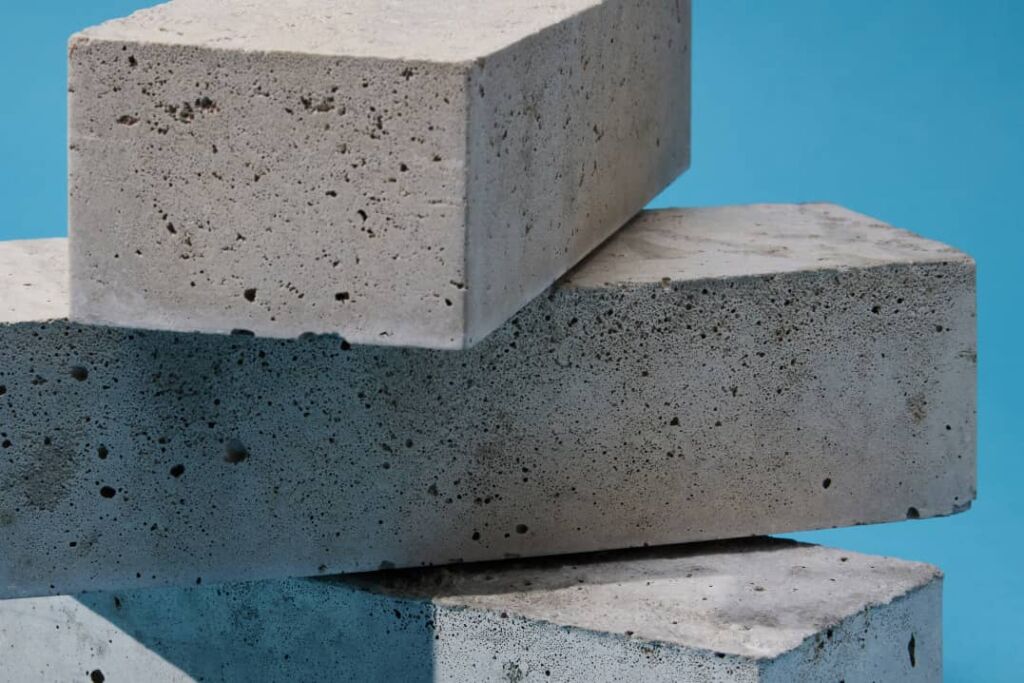
Forget 1.400°C ovens: Sublime Systems uses electrolysis to produce zero-emission concrete. An innovation that could change the world.
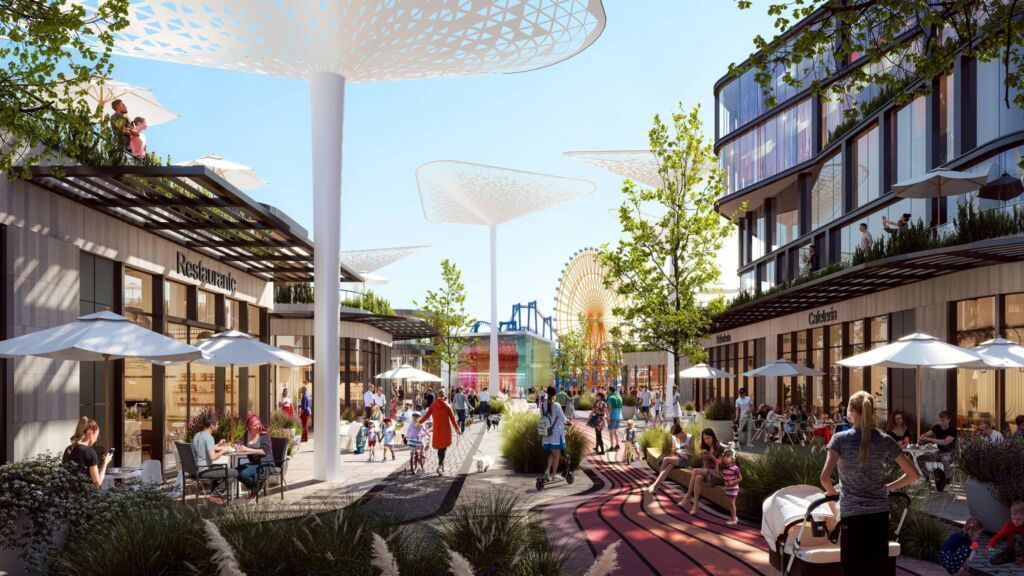
Spain is building Elysium City, a city designed to be sustainable and in harmony with nature. Will it be different from Neom in Saudi Arabia?
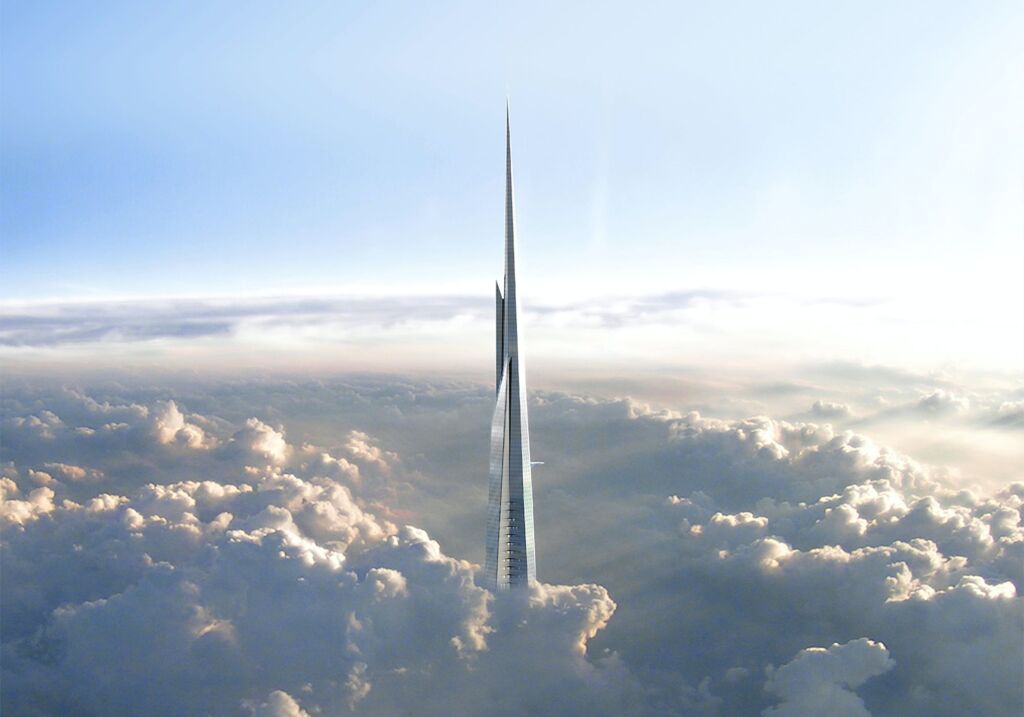
There are 14 companies competing to complete the Jeddah Tower: a 1km high high-tech giant with breathtaking views of the Red Sea
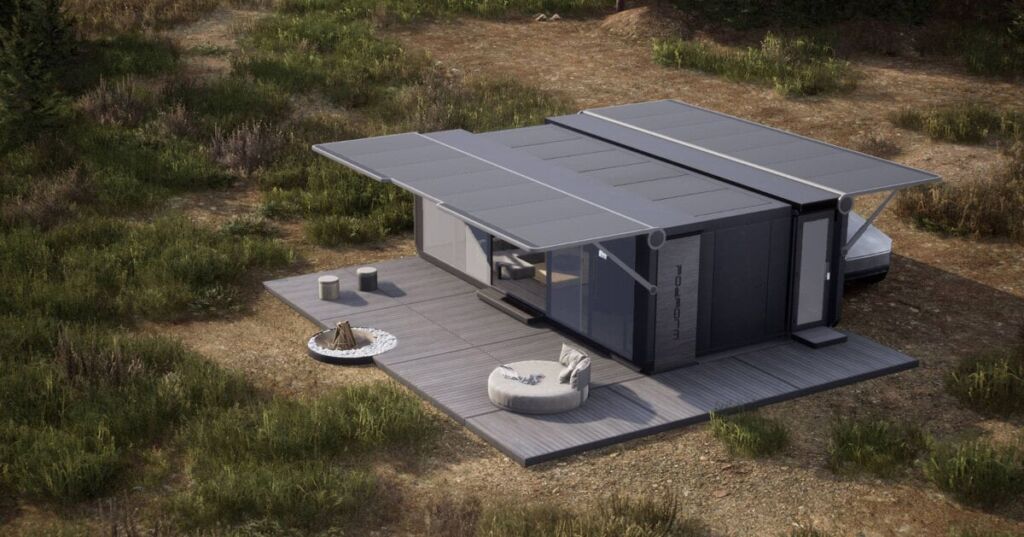
This smart micro home that expands from 15 to 43 m² in just 15 minutes, showcases an interesting mix of cutting-edge technologies and off-grid options.
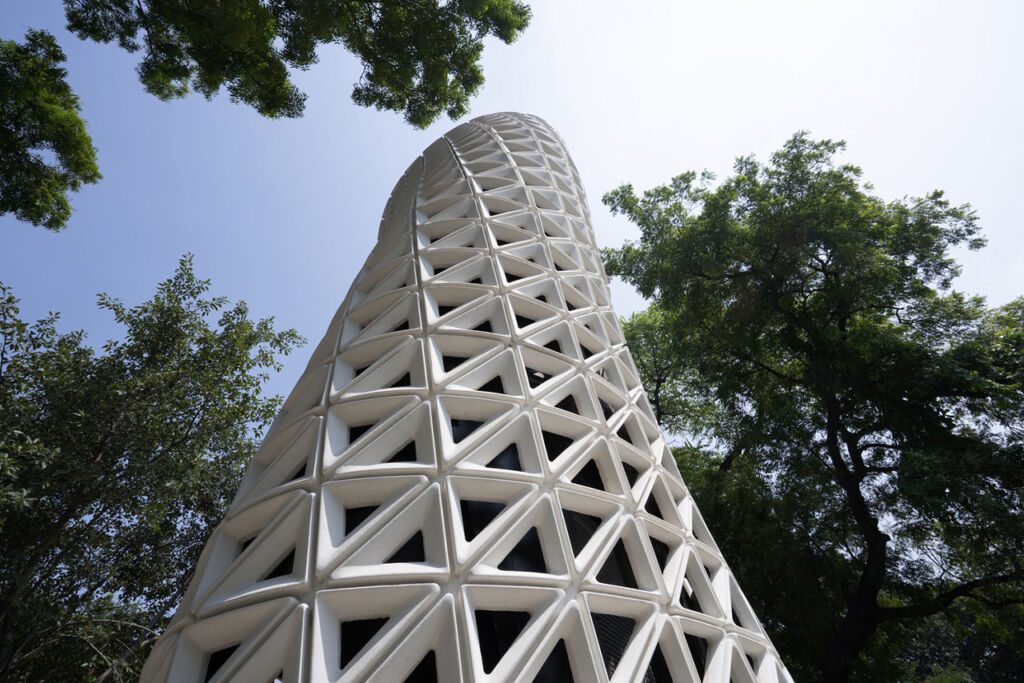
An air-purifying tower aims to improve the quality of life in urban areas, benefiting half a million people.

Alberto Robiati and Gianluca Riccio guide readers through scenarios of the future: the opportunities, risks and possibilities we have to create a possible tomorrow.
News about the world of tomorrow.
We give news about the future of technology, science and society: if there is one thing that is about to arrive, it has already arrived here.
Category
Language editions
© 2024 Near future -  This work is distributed under license Creative Commons Attribution 4.0 International.