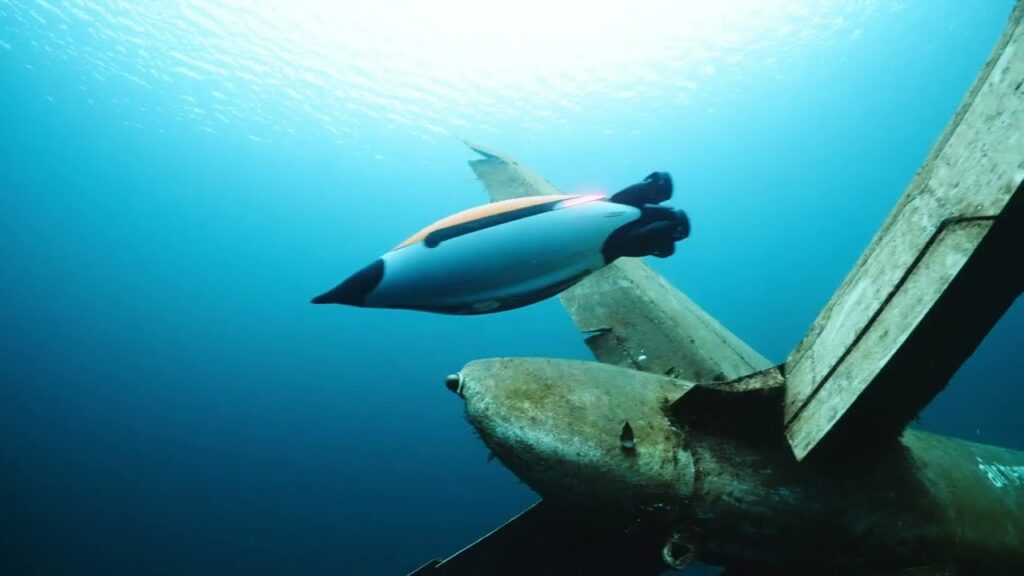
Quadroin, the “penguin” robot to explore the abyss
With a battery life of 10 hours and a sophisticated navigation system, this robot penguin is ready to redefine underwater standards.

With a battery life of 10 hours and a sophisticated navigation system, this robot penguin is ready to redefine underwater standards.

Amazon's top executive is sure of it: "Technology does not eliminate jobs, but creates opportunities." Is he right or wrong?
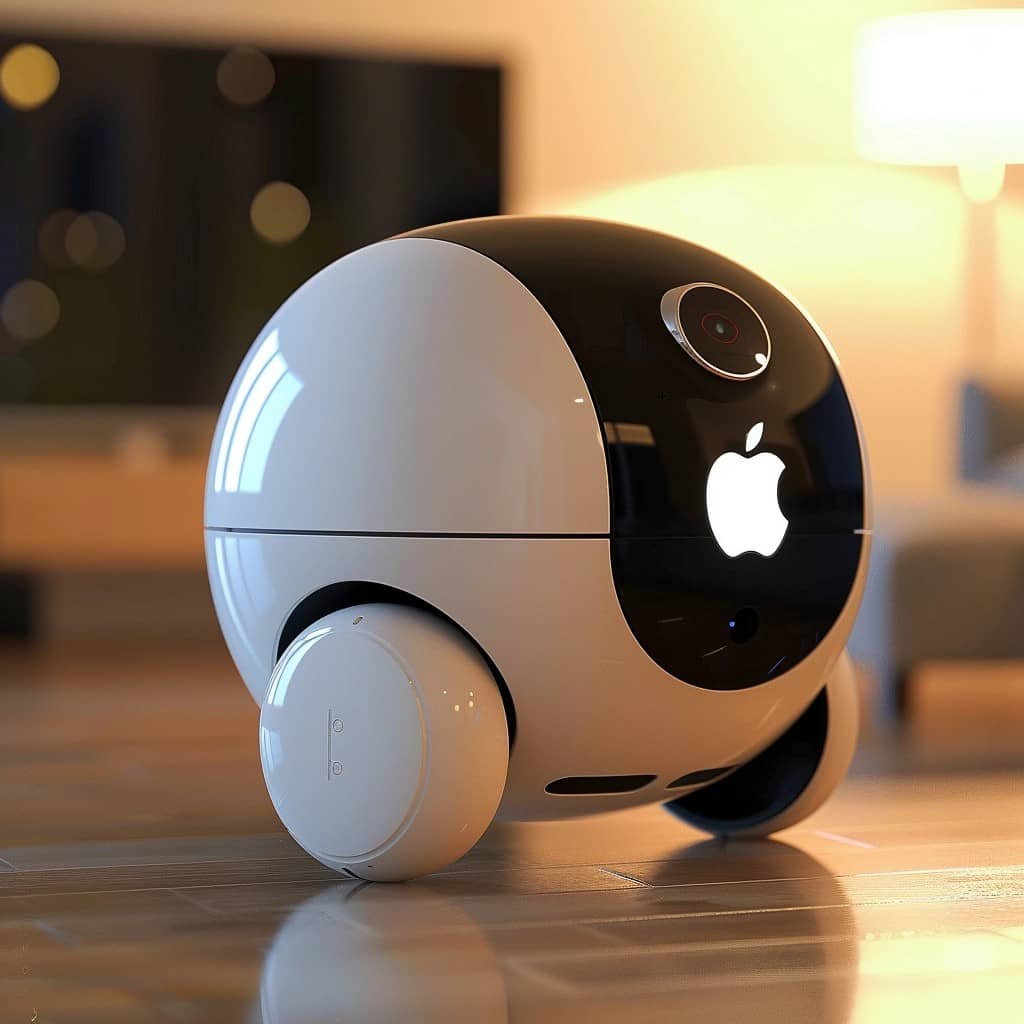
Apple is focusing on domestic robots to open new business horizons. Top secret projects and a dedicated team to test innovations.
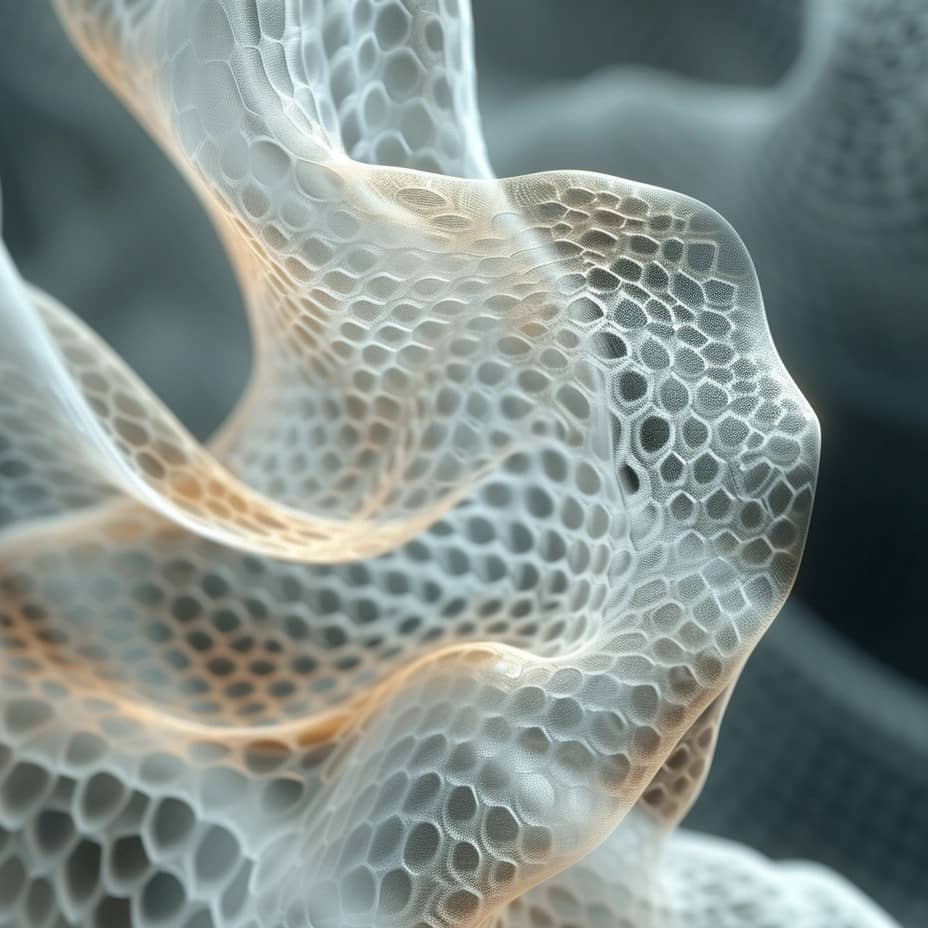
Created programmable metafluid with elastomeric beads: viscosity, compressibility and optical properties modifiable. Applications in robotics and optics.
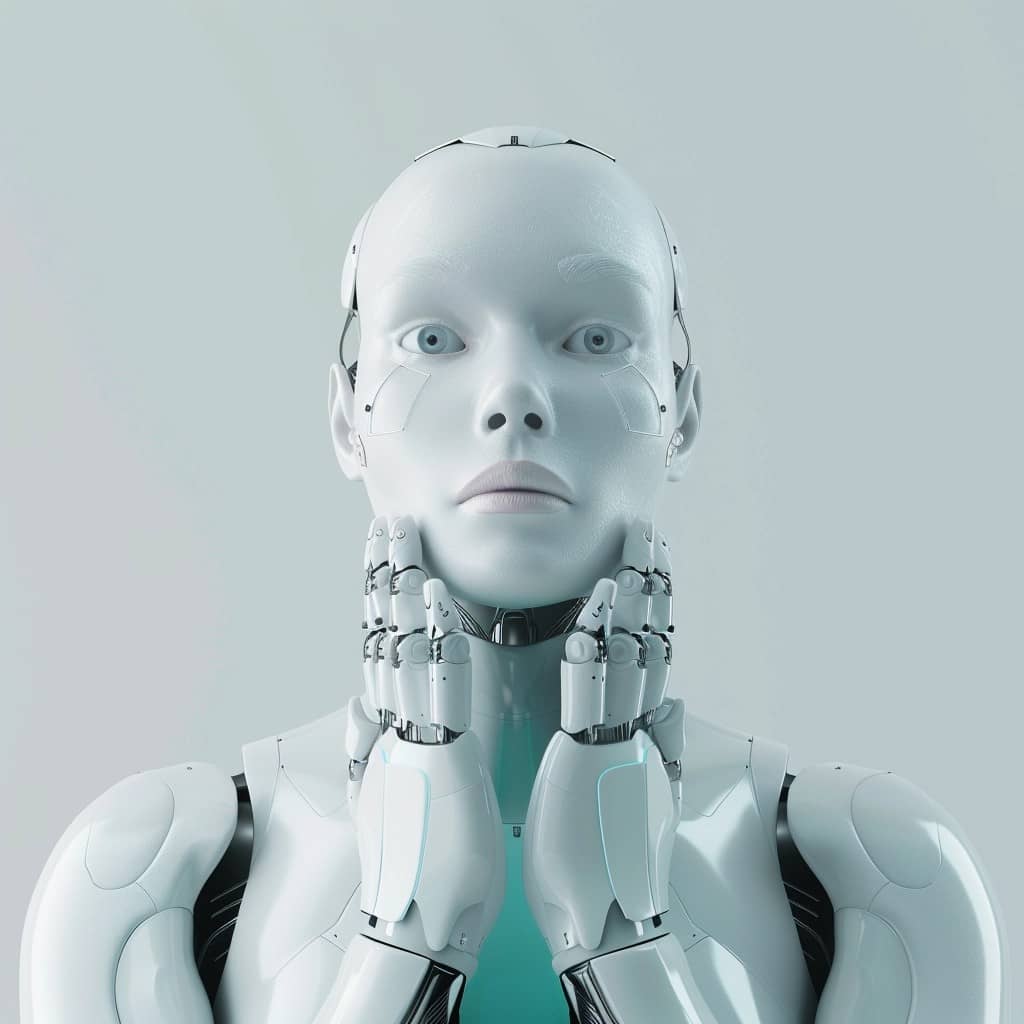
For embodiment, a physical body is needed to achieve human intelligence. This is why companies are "embodying" AI in robots.
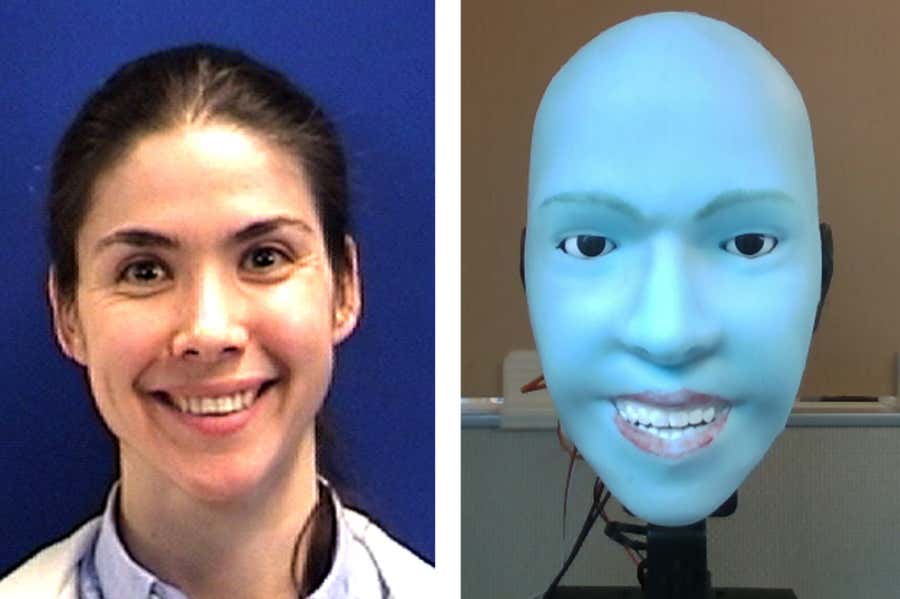
The humanoid robot uses AI to predict and replicate human smiles. And smile sooner, making interactions more natural.
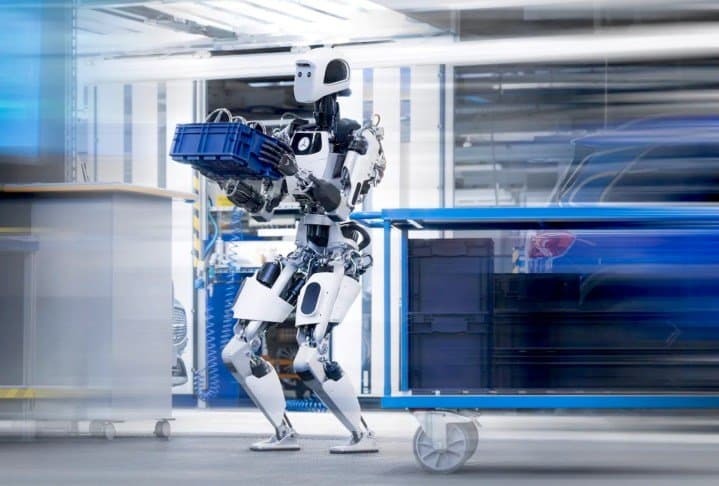
Mercedes-Benz will collaborate with Apptronik to test the use of the Apollo humanoid robot in the factory, to assist workers in repetitive and physically demanding jobs.
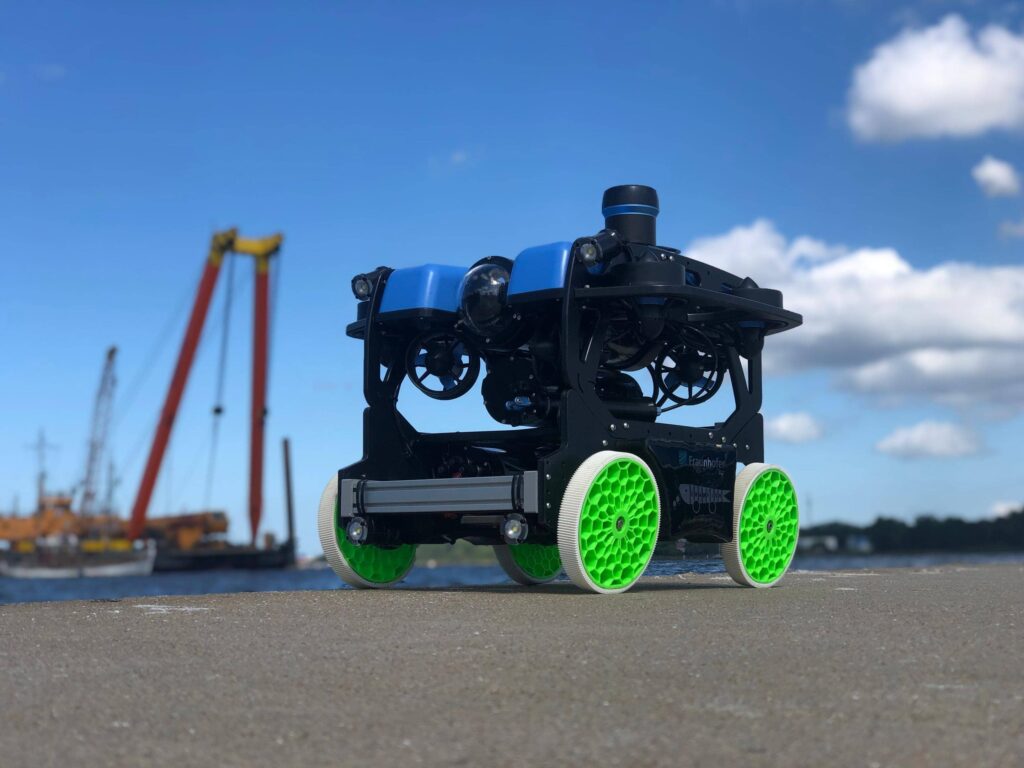
The Crawfish, a new experimental robot shrimp, shows great potential in the offshore renewable energy sector.
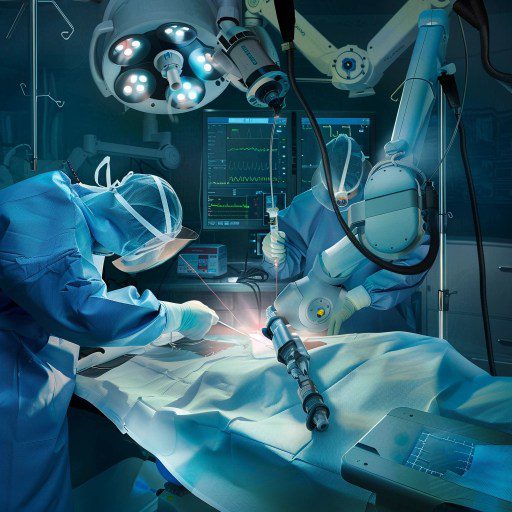
Robotic surgeons promise less invasive surgeries and faster recovery, but their real impact is yet to be proven and their cost remains a barrier for many hospitals.
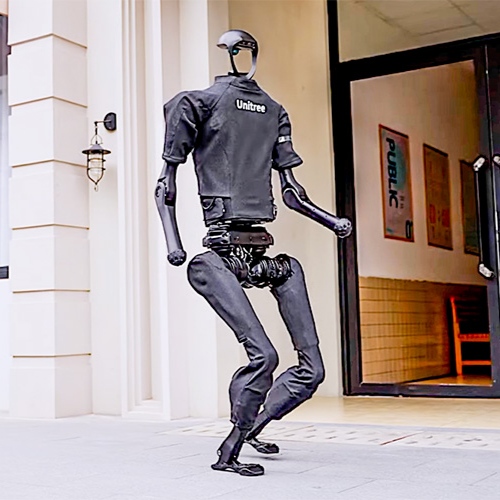
Unitree's new humanoid robot can walk, or rather run, at 12km per hour, covering 10km in 50 minutes without getting tired. Every record crushed.
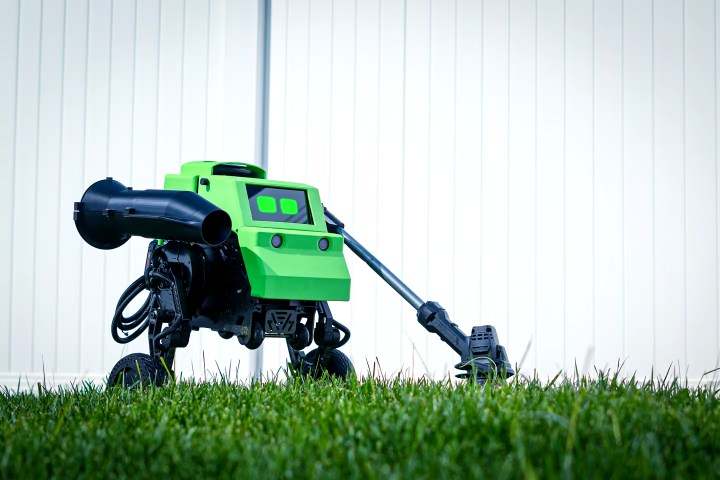
Verdie is an AI robot gardener capable of doing many tasks autonomously. He looks funny, but he's damn serious.
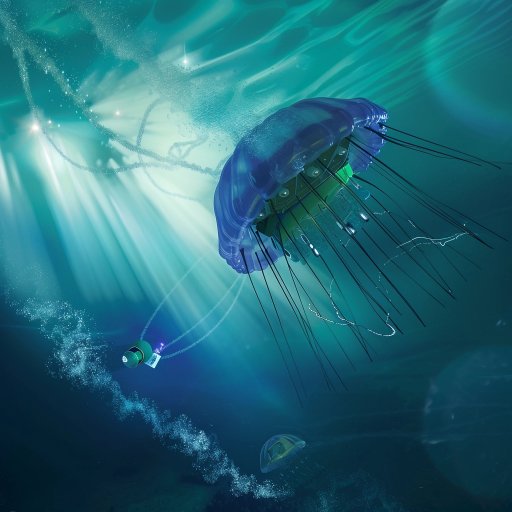
Caltech develops bionic jellyfish to explore oceans at 4,5 times faster speed, carrying scientific instruments
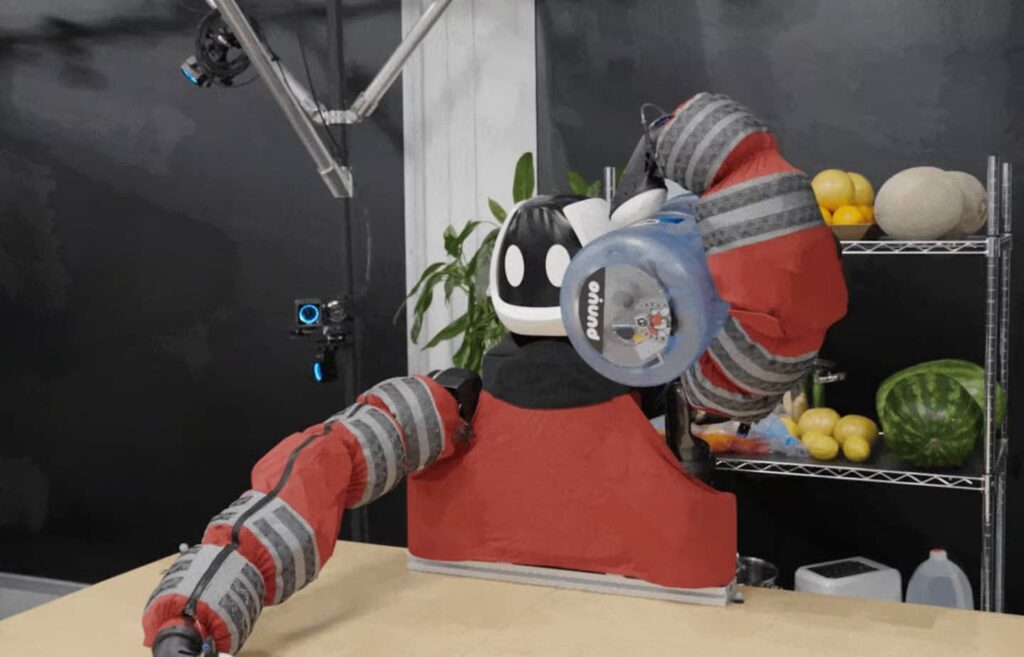
With a design inspired by Baymax from Big Hero 6, Punyo uses touch sensors and inflatable 'paws' to hug and carry objects.
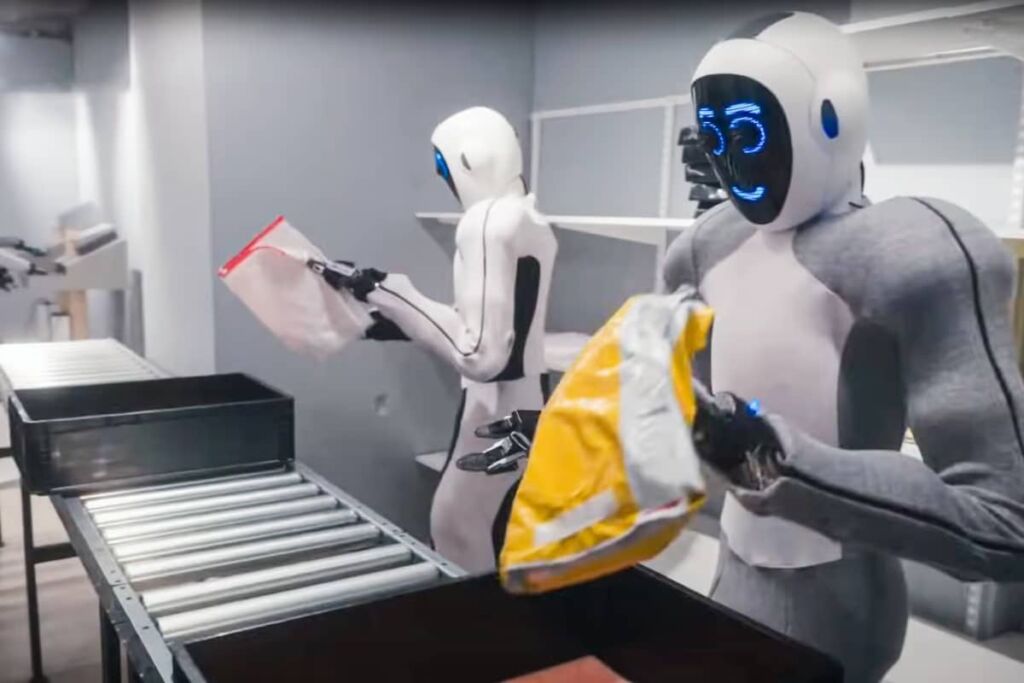
Norwegian startup 1X presents its Eve robots in action. No bipedalism or complex hands, but lots of efficiency in picking up objects, tidying up and even opening doors. Is the future of work on wheels?
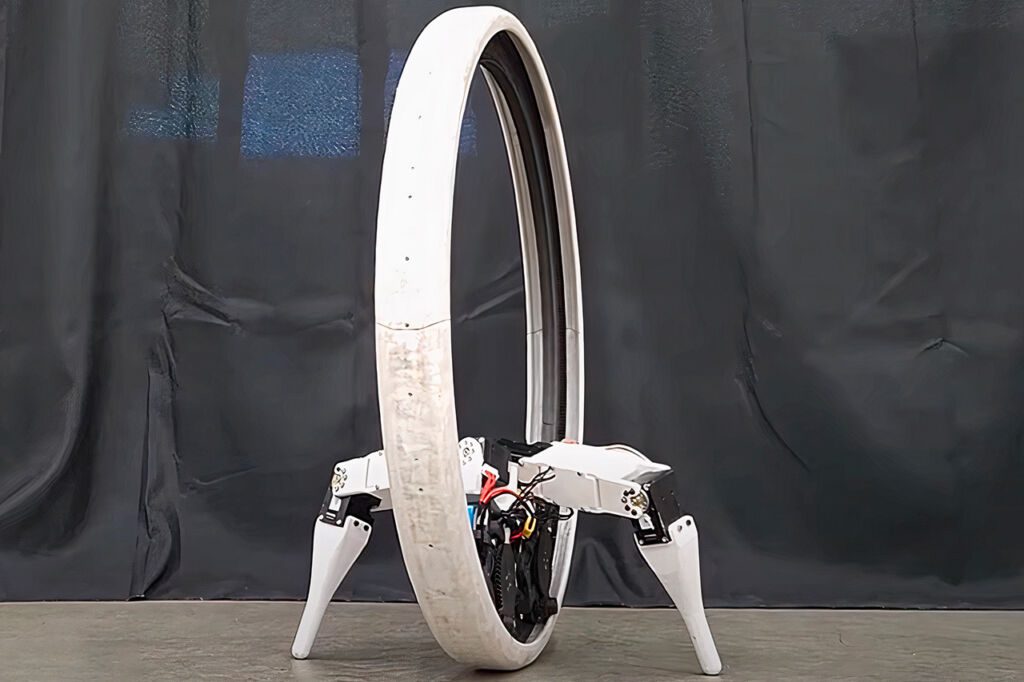
This single-wheel robot can represent an interesting option for urban mobility: compact, efficient, and autonomous if necessary.
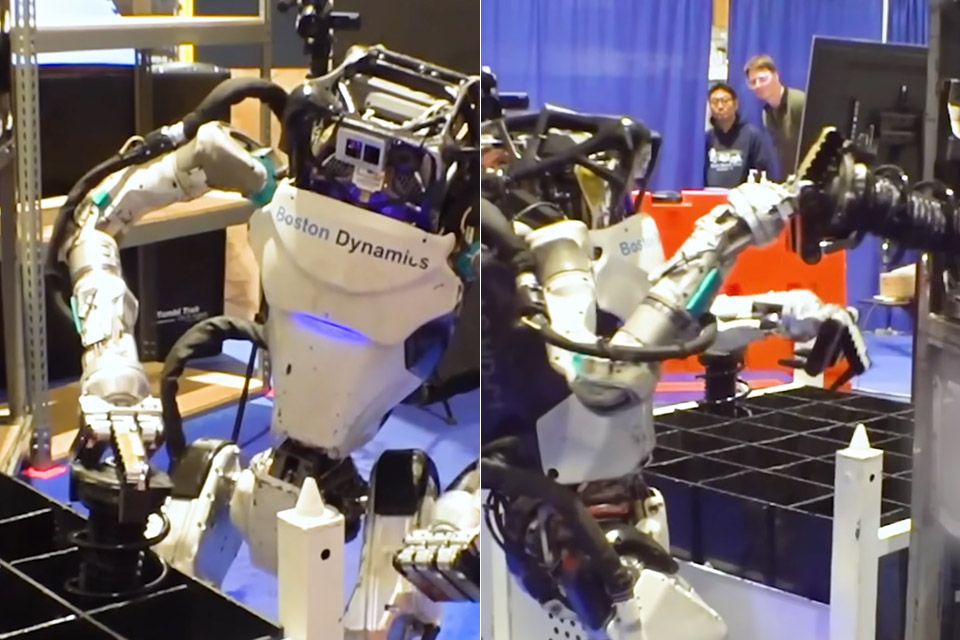
Latest Atlas update from Boston Dynamics includes recognition and manipulation of heavy objects - the potential for the industrial sector is gigantic
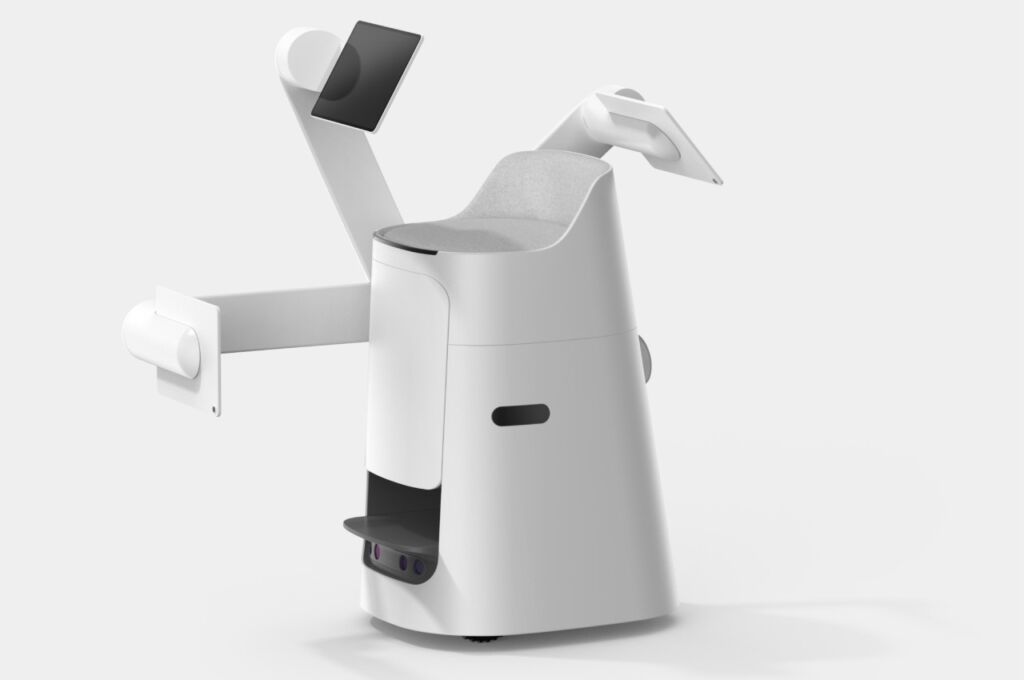
from a simple assistant to a comfortable chair and personal workspace, Choi's concept opens new frontiers in service robotics
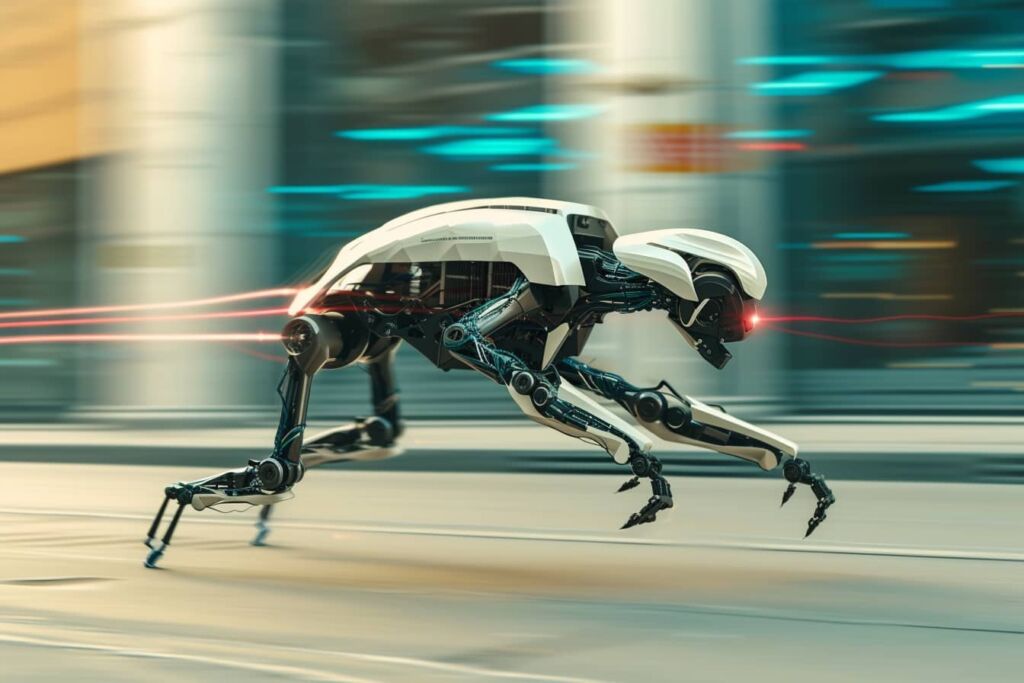
ABS, a new control for quadrupedal robots, ensures agile and collision-free locomotion in crowded environments, both indoors and outdoors
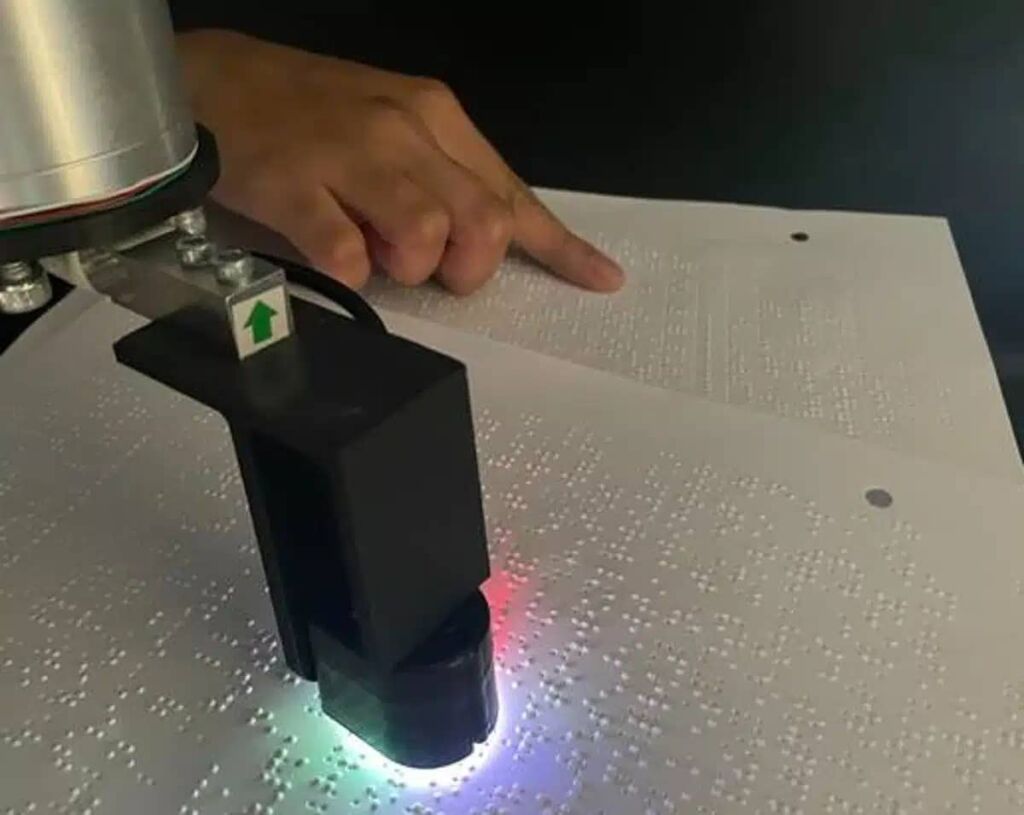
Research develops robotic sensor for reading braille – a significant advancement in imitating human tactile capabilities.
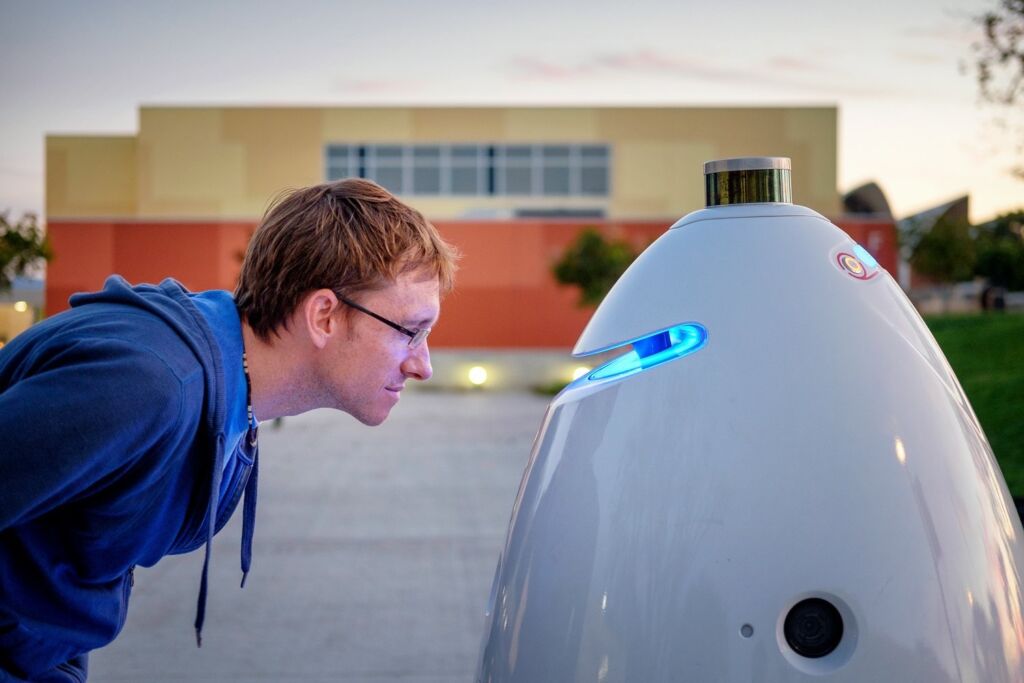
Knightscope introduces guardian robots: a breakthrough in security and artificial intelligence. It's not the first attempt, and it doesn't allay fears.
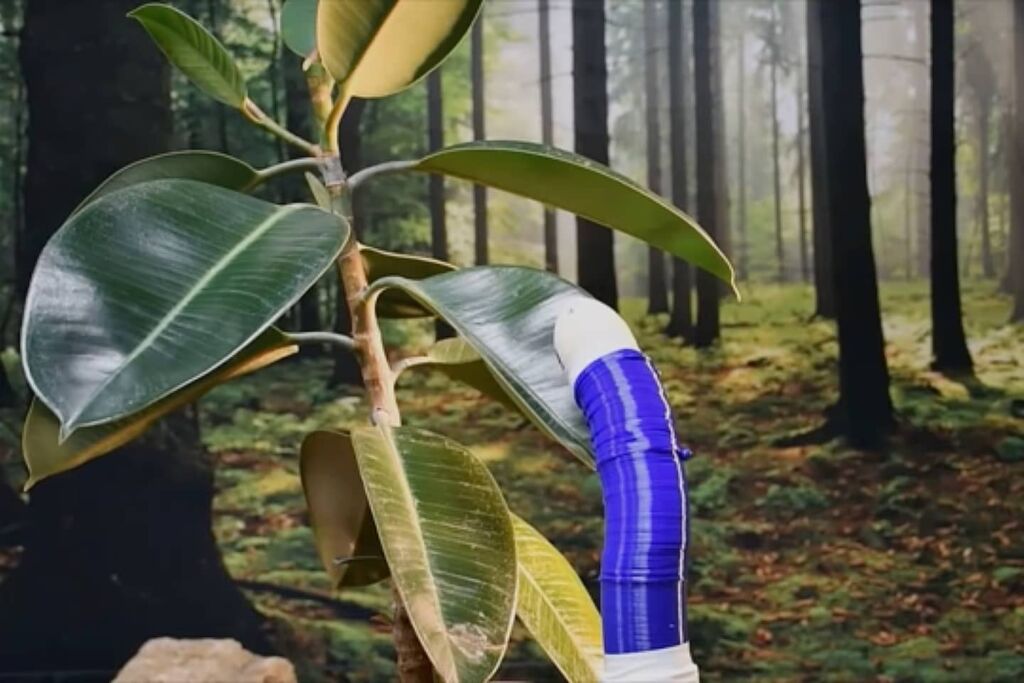
The robot developed by the Italian Institute of Technology is unique: it grows like a plant and overcomes obstacles and open spaces thanks to its ability to 3D print its own body.

Alberto Robiati and Gianluca Riccio guide readers through scenarios of the future: the opportunities, risks and possibilities we have to create a possible tomorrow.
News about the world of tomorrow.
We give news about the future of technology, science and society: if there is one thing that is about to arrive, it has already arrived here.
Category
Language editions
© 2024 Near future -  This work is distributed under license Creative Commons Attribution 4.0 International.