
There is something extraordinarily elegant about photochemotherapy: combines the precision of light with the power of chemotherapy drugs. MIT researchers have created microparticles that, once injected into the tumor, can be activated with a laser beam to release drugs and generate heat in a targeted manner, eliminating diseased cells without damaging healthy tissue.
The challenge of cancer treatment
Patients with advanced cancer often have to undergo multiple courses of different treatments. Treatments that can cause debilitating side effects without always guaranteeing effective results.
The team of the Koch Institute for Integrative Cancer Research of MIT, led by Dr. Ana Jaklenec, has addressed this challenge by developing an innovative solution (I'll link the paper here) that could change the landscape of oncology therapies.
How Photochemotherapy Works
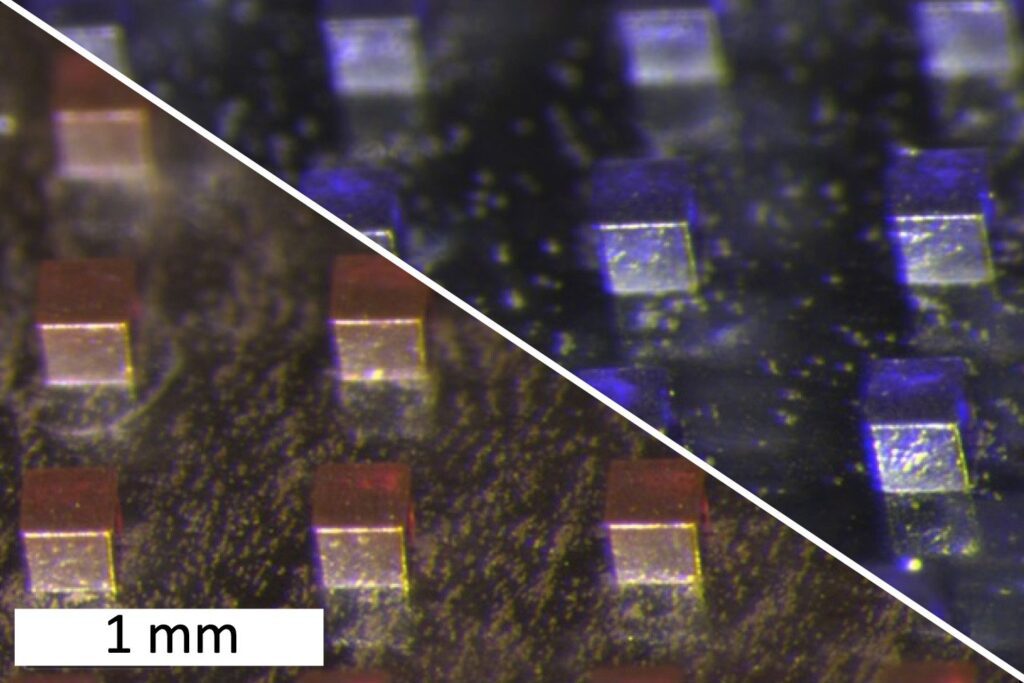
The developed microparticles use molybdenum sulfide, an inorganic material that converts laser light into heat very efficiently. This compound is combined with chemotherapy drugs such as doxorubicin and violacein, integrated into a biocompatible polymer matrix. The resulting particles, 200 micrometers wide, are injected directly into the tumor site.
The treatment protocol was refined using algorithms machine learning algorithm to determine the optimal laser power, irradiation time and phototherapeutic agent concentration.
The treatment cycle? It lasts about three minutes, during which the particles are heated up to 50 degrees Celsius. A temperature sufficient to eliminate tumor cells and gradually release the chemotherapy drug.
Surprising results in tests
Our goal is to get control of these tumors for patients who don't have many options, prolonging their lives or at least allowing them to have a better quality of life during this time.
The researchers tested the treatment on mice with breast tumors triple negative, particularly aggressive. After implantation of approximately 25 microparticles per tumor and three cycles of laser treatment spaced three days apart, the tumors were completely eliminated. Treated animals showed significantly longer survival than those receiving chemotherapy or phototherapy alone.
Implications for patients and future prospects
The US FDA has already approved the polymer used to make the microparticles for medical devices, which could speed up the path to clinical trials. Researchers believe this therapy could be effective for any type of solid tumor, including metastatic ones.
As emphasized Neelkanth Bardhan, the project’s researcher, this machine learning-optimized system allows for the delivery of low-dose, localized chemotherapy using deep infrared light penetration. The result is much lower systemic toxicity than conventional chemotherapy regimens.
Photochemotherapy, the future of cancer therapy
Photochemotherapy represents just the beginning of a new approach to cancer treatment. Prof. Angela Belcher, co-senior author of the study, emphasizes how controlling the drug release at timed intervals with light, after a single injection of particles, is a game changer for less painful treatment options.
In other words, it can really lead to better patient compliance. We hope so with all our hearts and even more.


