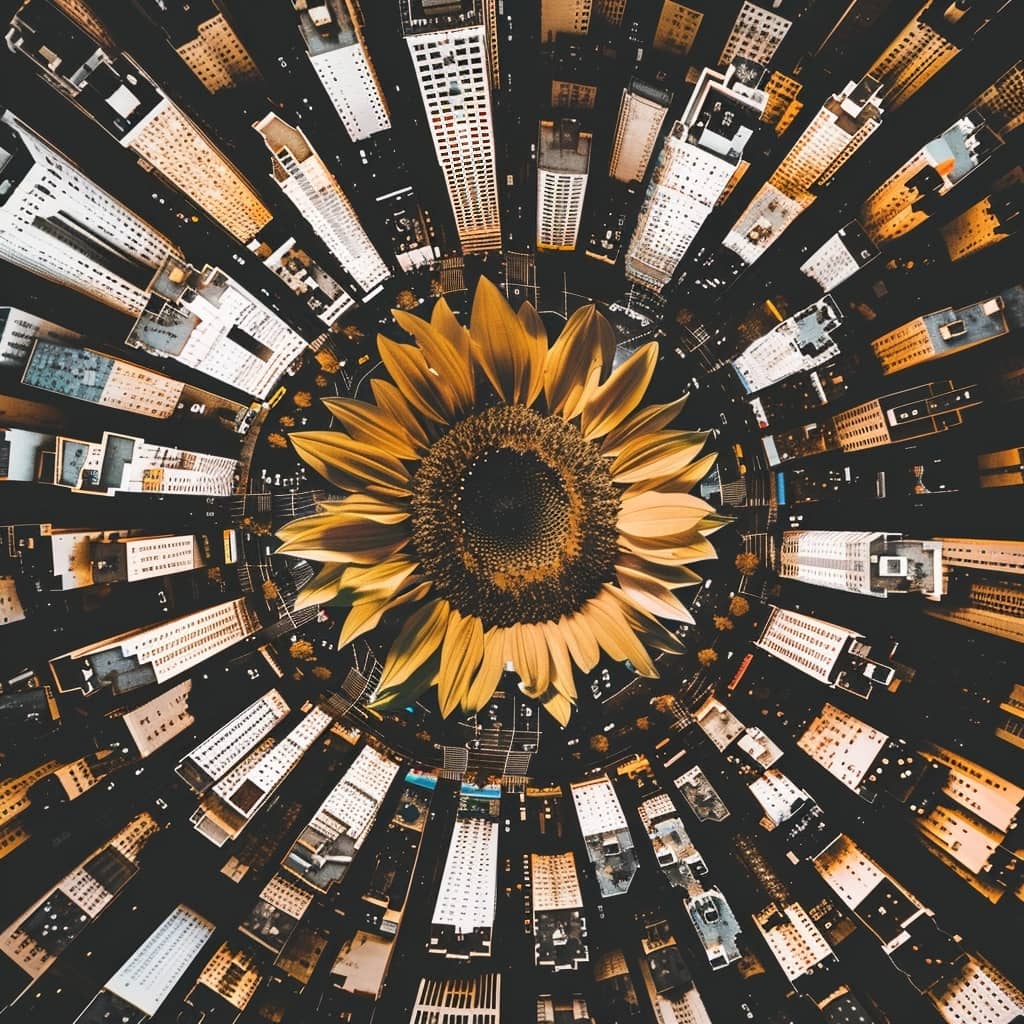
On February 3, 2024, the inhabitants of Seine et Port, a small French village, made a historic decision: to make their municipality "smartphone-free". This referendum, which at first glance might seem like a joke, is actually the signal of a growing awareness of the negative effects that the pervasive use of screens is having on our mental and social life. But it is also the starting point for imagining a different future, in which cities are no longer dominated by screens, but return to being meeting places, interfaces for discovery and sharing. This is the vision behind the project Screenless Cities by Urban AI.
A symbolic choice against the invasion of screens
The Seine et Port decision may seem irrelevant when you consider that only 146 out of 718 inhabitants voted in favor of the referendum. Furthermore, in France it is not legally possible to ban the use of smartphones in public spaces. Yet, this vote has an important symbolic value. It is a warning signal against damage to what Hannah Arendt would call "the life of the mind", caused by the invasion of screens in our daily lives.
We feel in our own bodies the exhaustion caused by their prolonged use. It's as if our mind is locked in those bright rectangles as soon as we touch them. They are stealing our lives.
Hubert Beroche, founder of Urban AI.
From “Smombies” to sensitive interfaces
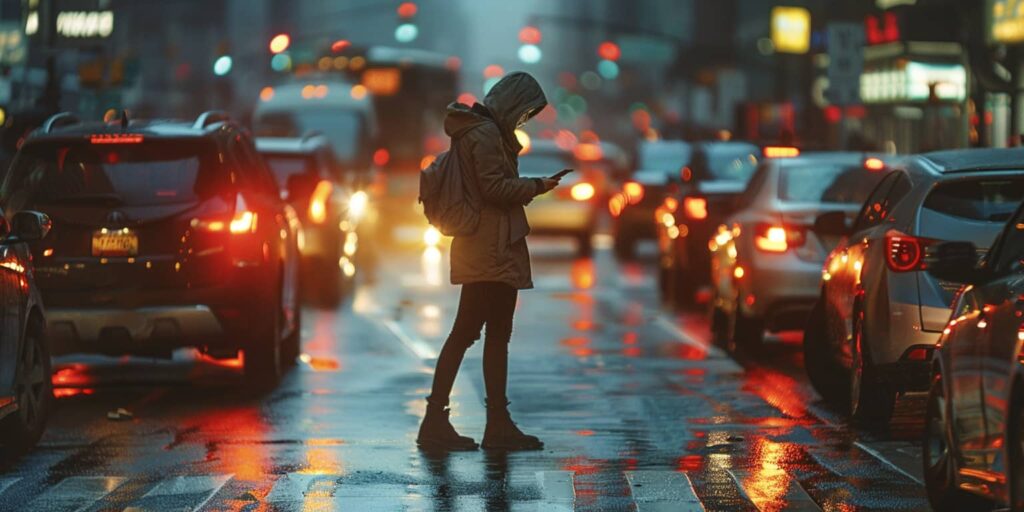
Smartphone abuse not only has individual consequences, but also repercussions on urban life. Just think of the phenomenon of "Smombies" (from "smartphones" and "zombies"), people so absorbed by their screens that they become blind to their surroundings, to the point of causing road accidents. Or the ways in which apps like Google Maps or ride-hailing services are redesigning the urban centralities and informal spaces of cities. Often without the knowledge of local administrators. The good and the bad of an epochal change.
Faced with these challenges, Urban AI proposes an alternative vision. Which? That of Screenless Cities, cities in which people's attention is shifted from screens to the urban environment itself. It is not a question of rejecting technology, but of integrating it in a more harmonious and less invasive way into the fabric of cities, for example through "Sensible Interfaces". What are? I borrow a definition from the founder of Urban AI himself, Hubert Beroche.
Sensible Interfaces are multi-sensory, screen-free interfaces for embedding data into physical spaces. We are designing and developing these solutions with several municipalities and AI providers to materialize their urban data (such as acoustic, energy, environmental data) in public spaces.
Bringing cities back to life through interfaces and data
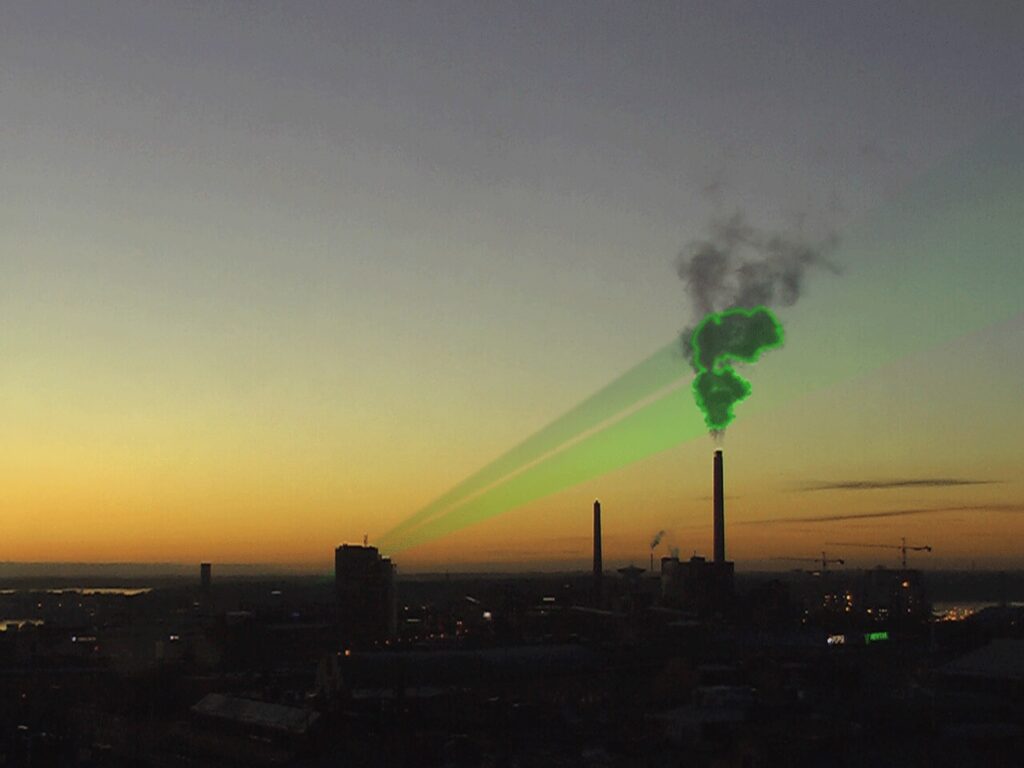
The goal of sensitive interfaces, in essence, is to distribute information and make urban data readable and usable for people, but also to bring transparency and efficiency to urban systems. An example is the “Nuage Vert” project by the HeHe collective, which in 2008 used a high-power green laser to illuminate emissions from a coal-fired power plant in Helsinki. To highlight the cloud of vapor emitted by the domestic waste incinerator, a thermographic camera coupled with a green laser beam is used which highlights the contours of the plume in real time, making the impact of energy consumption visible and tangible.
This type of intervention demonstrates how the physicalization of data can not only inform, but also empower and actively involve citizens in the management of urban resources. In other words, Screenless Cities are not simply cities without screens. And much less cities without digital. They are cities in which data become common goods, instruments of participation and collective empowerment.
Towards a more humane and sustainable urban future
The challenge of Screenless Cities is certainly not easy, in a world in which screens have become almost indispensable interfaces for every aspect of daily life, from work to socializing, from mobility to entertainment. But it is a necessary challenge if we want to avoid our cities turning into hyper-technological dystopias, in which human beings are reduced to passive consumers of information and services. One day, today's Piccadilly Circus or Times Square may be virtually empty compared to entire cities covered in screens, constantly sending messages.
As the philosopher wrote Marshall McLuhan, “the medium is the message”: every technology we introduce into our lives inevitably modifies its scale, rhythm, paths. It's up to us to choose what messages we want to send and what future we want to build. Screenless Cities are an invitation to recover the depth of our urban experiences, to rediscover the value of fortuitous encounters, unexpected discoveries, authentic connections that only city life can offer.
The Seine et Port referendum is only a small symbolic step, but it is an important step. Because it reminds us that another way of living and designing cities is difficult, very difficult: but not impossible. If only we have the courage to look up from our screens and imagine it together.