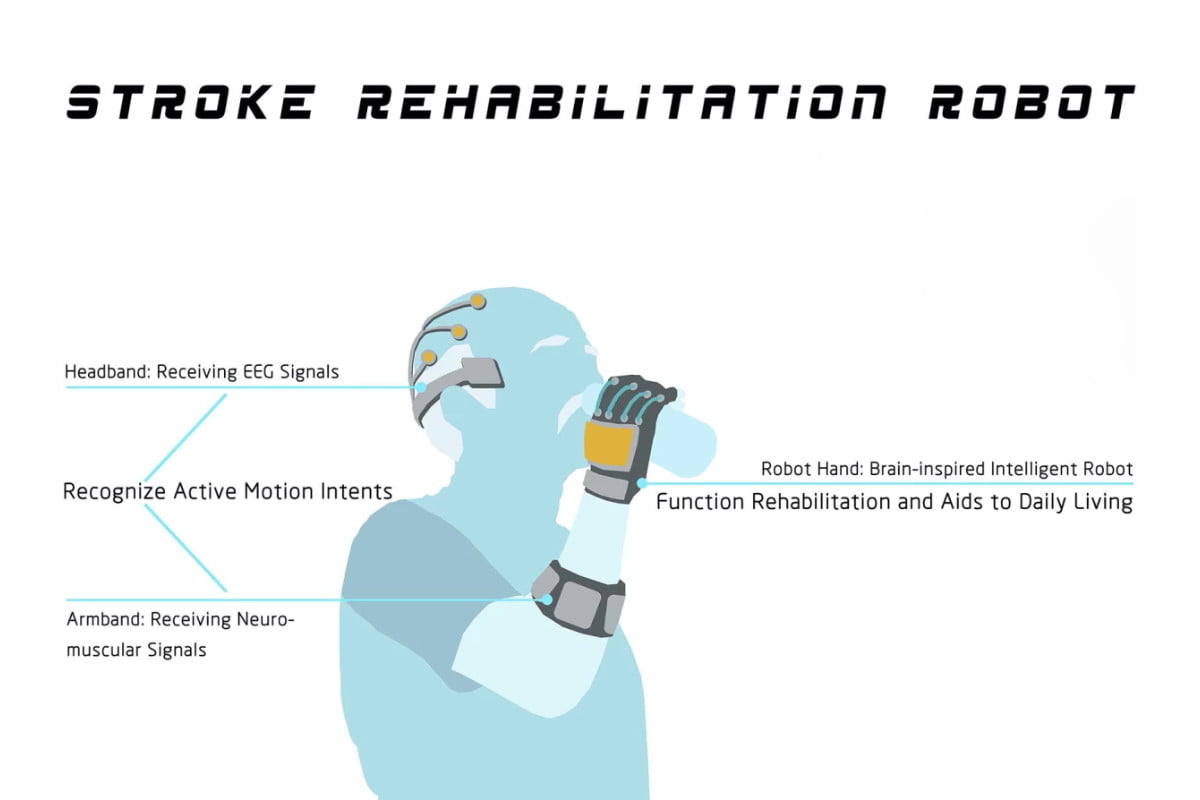
More and more the #technology helps those with temporary or permanent disabilities.
The latest news was from a few days ago: people with complete paralysis were able to partially recover some functions (sense of touch, sensation of pain, bladder control and some movement) thanks to just one year of #rehabilitation 'hi-tech' with human-machine interfaces, virtual reality and avatars.
The research, the results of which were published in the journal Scientific Reports, was conducted on eight patients with severe paralysis: the few nerves that remained intact after the accident managed to reawaken thanks to the technology, allowing the partial restoration of motor functions and tactility.
“Until now, no one had ever witnessed the recovery of these functions in patients who had been in complete paralysis for many years,” said Miguel Nicolelis of the Duke University of Durham. The researchers asked the patients to imagine moving their legs and collected their neural signals. Thus avatars were animated that virtually enacted the imagined movements.
Gradually, thanks to sensors worn by patients, partial recovery of tactile sensations occurred. For example, patients could feel the sensation of walking on sand or asphalt. A big step forward for science and above all for the people involved in the study.