
From the plate to our organs, shocking study reveals the journey of microplastics
A new study sheds light on the disturbing infiltration of microplastics into human tissues, including the kidneys, liver and brain.

A new study sheds light on the disturbing infiltration of microplastics into human tissues, including the kidneys, liver and brain.

The Tire Collective has created a system that uses electrostatic force to capture up to 60% of tire particles.

Study reveals the presence of up to 370.000 nanoplastic particles per liter in bottled water, an amount well above previous estimates

The clouds over Japan reveal a very bad surprise: are microplastics there too, can they affect the climate?

Scientists have found 9 types of microplastics in the human heart, some even during surgery

No final proof, but many scientific "indications": on water in PET bottles we need to run for cover, and quickly.

We inhale invisible fibers of microplastics, in concentrations up to 28 times higher when we are indoors. It's red alert.

Sperm count more than halved in 50 years: the culprits? Chemistry and "dirty" energy sources

A powder additive can remove microplastics 1.000 times smaller than those currently detectable by wastewater treatment plants

"Gillbert", a robotic fish designed by student Eleanor Mackintosh, sucks up microplastics to sample, recycle and minimize pollution in waterways.

Against a plastic nightmare, only the light of human ingenuity can try to reverse the course. Here are 4 inventions that can clean seas and rivers of all this waste.

Many of us have plastic dust coursing through our veins, directly into the bloodstream.

One study found that quantities of microplastics detectable in the environment can kill human cells and produce serious reactions.
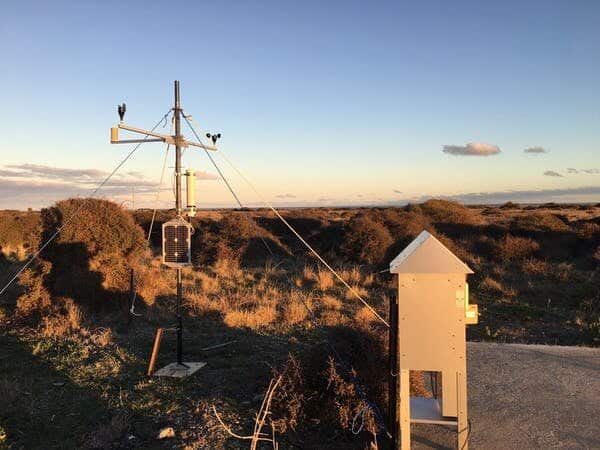
Everywhere: land, water and air. Microplastics are set to significantly influence climate change within the next 30 years.

A team from the University of Hong Kong has found, thanks to a bacterium, a method that could give a decisive change to the phenomenon of microplastics.

Micro plastics from the sea pollute the soil. The equivalent of hundreds of millions of plastic bottles fall from the sky every year.

In fruit through irrigation, in our body through food and now also in newborns through the placenta. Microplastics are unstoppable.

A fleet of interceptors, special catamarans that sift the plastic from rivers: this is how The Ocean Cleanup fights against pollution with the help of AI

A device capable of capturing microplastics from tires? It is the invention of a collective of designers who won the Dyson Award.

Cold shower in an already compromised framework: contrary to popular belief, microplastics penetrate fruit and vegetables through the roots. Now they are practically everywhere.

Alberto Robiati and Gianluca Riccio guide readers through scenarios of the future: the opportunities, risks and possibilities we have to create a possible tomorrow.
News about the world of tomorrow.
We give news about the future of technology, science and society: if there is one thing that is about to arrive, it has already arrived here.
Category
Language editions
© 2024 Near future -  This work is distributed under license Creative Commons Attribution 4.0 International.